Before buying a property with a known problem, establish what is causing it, whether it can be resolved and what the cost or ongoing impact could be. Use relevant inspections and comparable sales to decide whether the price justifies proceeding.
Identify the Issue Before Judging the Price
A busy road, an apartment without parking and a home with building defects raise different questions. Start by identifying the specific issue and how it could affect living in, maintaining or later selling the property.
Then establish what can be changed, what advice is needed and whether the asking price reflects the limitation.
Separate Fixable Problems From Permanent Ones
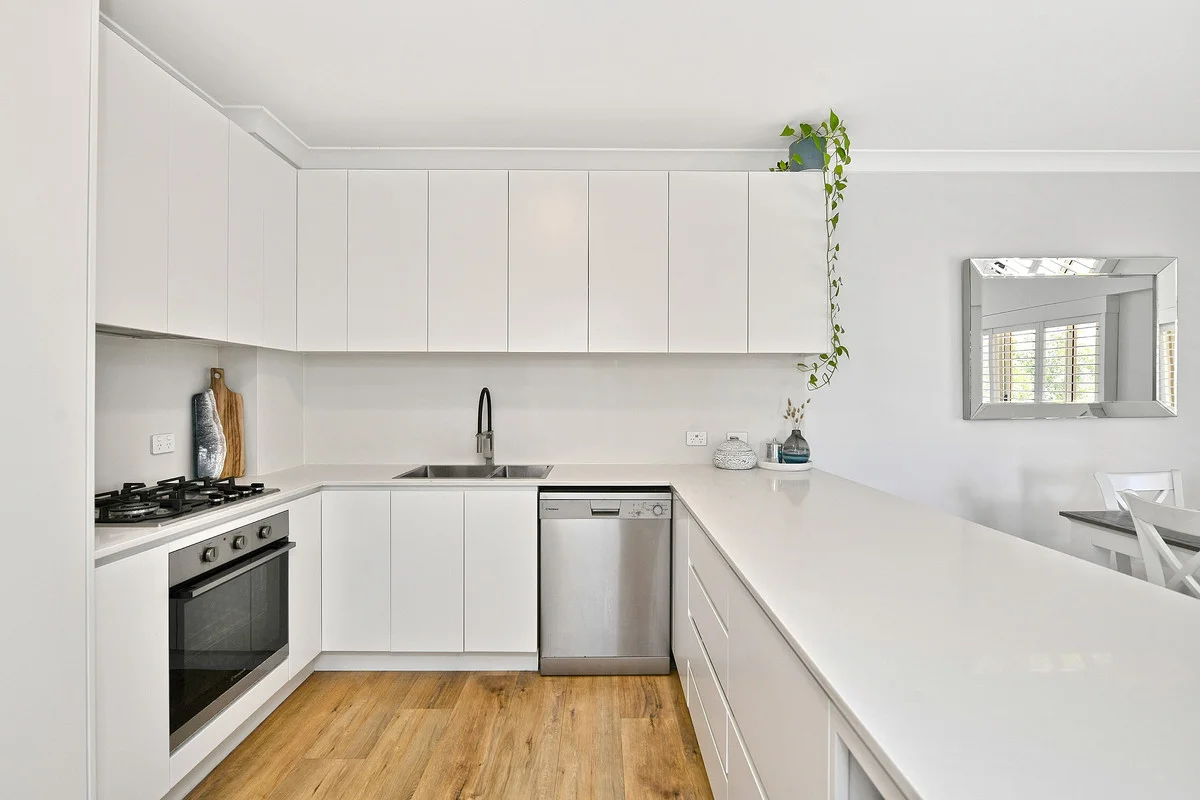
Paint, flooring, lighting, storage and dated finishes can often be changed. A poor kitchen may be manageable if the layout and building fundamentals are sound.
Other issues are much harder to alter:
- Main road exposure or persistent noise
- Poor natural light caused by orientation
- Difficult access or an inefficient floorplan
- Serious strata or building defects
- Flood, bushfire or planning constraints
- An outlook vulnerable to future development
The less control the owner has over an issue, the more carefully it should be priced.
Price the Work and the Ongoing Impact
Assess the purchase price alongside immediate works, ongoing maintenance, holding costs and the possibility of a smaller buyer pool at resale.
For renovation work, obtain realistic advice before exchange. For location or building issues, compare the property with sales carrying the same issue rather than only with better positioned homes nearby.
Assess Whether the Issue Will Matter at Resale
The issue that concerns you today is likely to concern another buyer later. That does not mean the property should be rejected, but the resale impact should be understood.
A busy road may be acceptable when the price reflects the position and the home offers meaningful space. An apartment without parking may still work in a highly walkable area. Identify the benefit you are receiving in return for accepting the limitation.
Check the Impact on Daily Life
Consider how often you would encounter the issue and whether you could comfortably live with it. A long search can make a problem easier to overlook, so assess its daily impact separately from your desire to secure a property.
Complete Issue Specific Due Diligence
Noise may require inspections at different times. Renovation potential may require advice from a builder or architect. A strata concern may require detailed review of minutes, finances, insurance and defect reports.
The purpose is not to eliminate every risk. It is to identify the material risks before the contract becomes binding.
Decide Whether the Price Justifies the Risk
Comparable sales are the starting point. The strategy should also consider competition, vendor motivation and whether the property has benefits that attract other buyers despite the issue.
When the issue is already reflected in the market price, an aggressive offer may simply lose the property. When it is not reflected, walking away may be the better outcome.
Buyers who have already found a property can obtain independent appraisal and negotiation advice through our Negotiate Only Service.
Frequently Asked Questions
Which property issues can limit resale appeal?
Permanent issues such as major road exposure, poor natural light, difficult access and serious building problems can reduce the future buyer pool.
Can a lower price compensate for a poor position?
Sometimes, but the discount needs to be supported by comparable sales and remain meaningful after holding costs and future resale risk are considered.
What should I investigate before buying a property that needs work?
Check whether the proposed work is feasible and obtain realistic advice on costs before exchange. Renovation potential may require advice from a builder or architect. For a strata property, review the relevant records and any defect reports.