
Why Older Apartments Continue to Outperform Many New Developments

Summary

New apartments often look better on inspection. Older apartments often perform better over time.

In Sydney, many experienced buyers continue to favour established apartment blocks over newer developments. The reasons are practical, not emotional.

Layout, density, construction quality and owner occupier demand all matter more than polished finishes.

The Layout Difference

One of the biggest differences is usability.

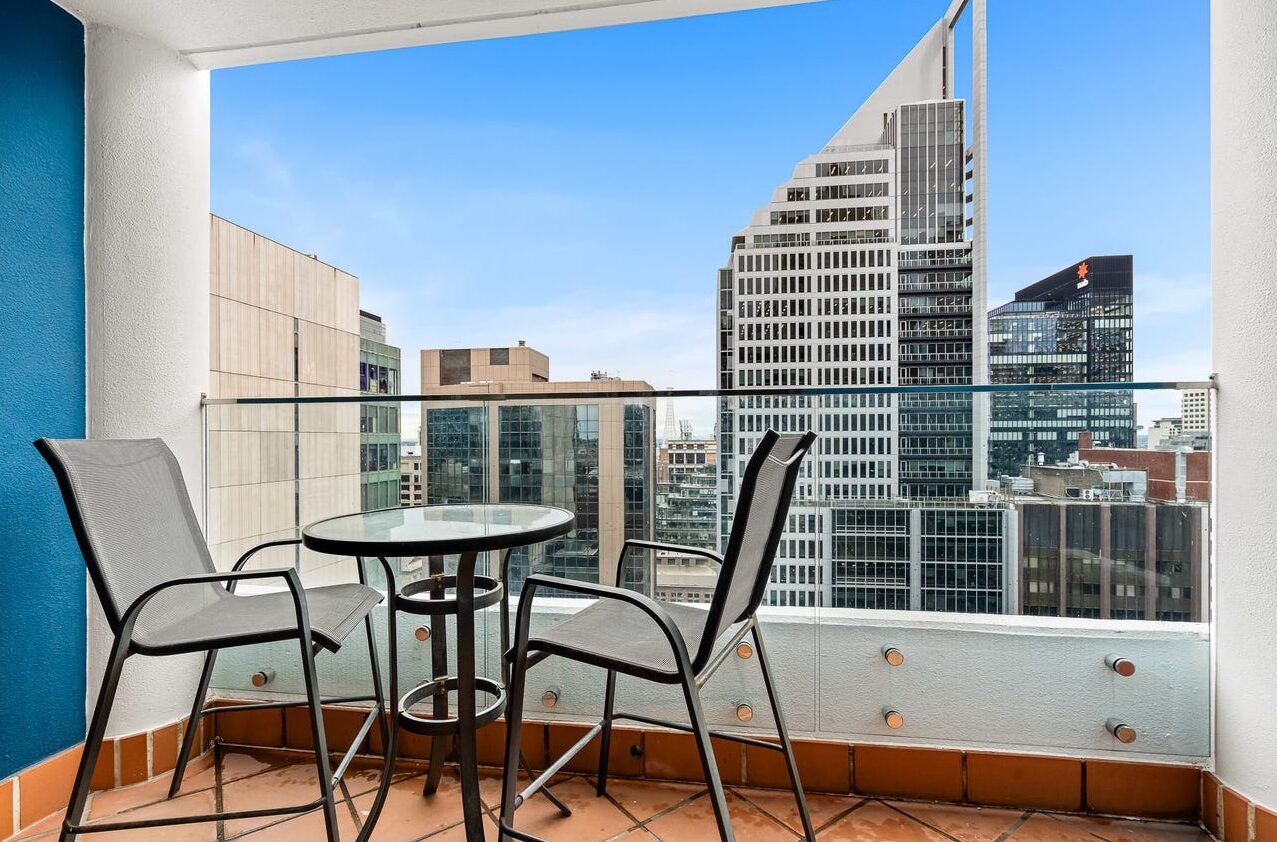
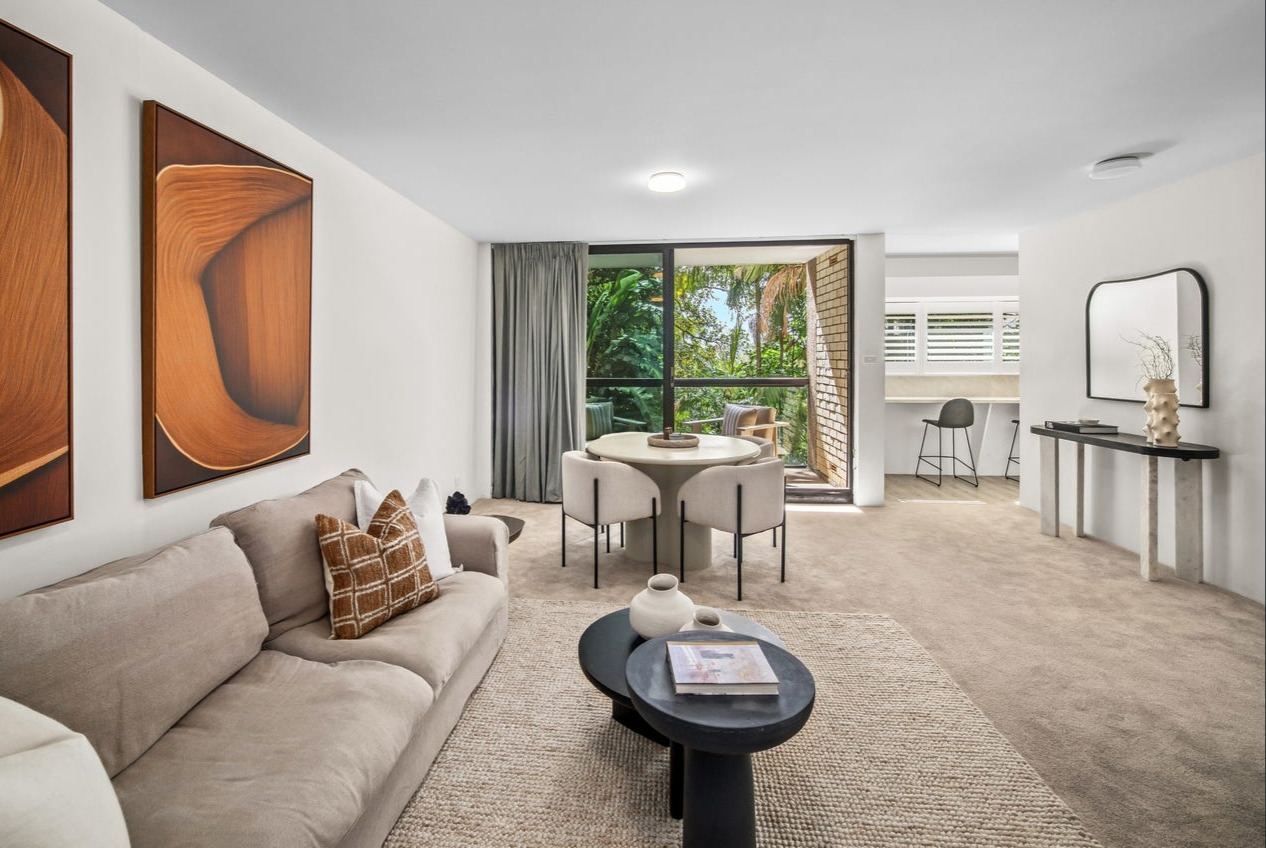
Older apartments were typically designed with larger living areas, better proportions and more natural light. Many newer developments maximise apartment numbers instead, leading to compromised layouts and smaller internal spaces.

Buyers notice this over time, particularly owner occupiers.

Why Density Matters

Higher density developments can create long term issues:

• Greater wear on common areas
• Higher ongoing maintenance costs
• Increased investor ownership
• More transient tenant populations

Lower density buildings tend to feel more stable and community driven, which supports owner occupier demand and resale appeal.

Construction Quality and Strata Stability

Not every new building has problems, but defect concerns have changed buyer behaviour significantly in recent years.

Many buyers are now prioritising:

• Proven building performance
• Stable strata history
• Simpler construction types
• Lower ongoing maintenance risk

Established brick buildings from the 1970s and 1980s continue to attract demand because buyers understand what they are getting.

What Performs Best Long Term

Apartments that consistently perform well usually share similar characteristics:

• Functional layouts
• Strong natural light
• Limited supply within the building
• High owner occupier appeal

These are the assets that tend to remain competitive across changing market conditions.

By Dan Grantham

Frequently Asked Questions

Are older apartments better investments than newer ones

Often, yes. Older apartments usually provide better layouts, lower density and stronger owner occupier demand, which supports long term value more consistently.

Why do buyers prefer low rise apartment blocks

Low rise buildings generally feel quieter, less crowded and easier to maintain. They also tend to have fewer ongoing maintenance issues compared to larger complexes.

Do new apartments always have defect issues

No, but defect concerns are more common in newer developments than many buyers realise. Thorough due diligence is critical before purchasing.

What type of apartment performs best in Sydney

Well located apartments with functional layouts, natural light and strong owner occupier appeal tend to outperform over time, regardless of age.

why-use-a-buyers-agent-to-find-a-rental-property

Why Use a Buyer’s Agent to Find a Rental Property?

Summary Most people associate a buyer’s agent with purchasing property. What many don’t realise is that we also help clients secure rental properties. Whether you’re relocating from overseas, moving interstate or simply need someone on the ground in Sydney, having an experienced property professional managing the search can save time, reduce stress and improve your […]

buying-commercial-property

Buying Commercial Property: What Experienced Investors Look For

Summary Commercial property is often viewed as more complex than residential property, but the principles of a good investment remain the same. You’re buying an income-producing asset. The quality of that income, the strength of the tenant and the future potential of the property are usually far more important than simply chasing the highest yield. […]

why-empty-nesters-shouldnt-think-about-buying-and-selling-separately

Why Empty Nesters Shouldn’t Think About Buying and Selling Separately

Summary One of the biggest misconceptions about downsizing is that selling your home and buying the next one are two separate decisions. In reality, they are closely connected. The success of one often depends on the strategy behind the other. That’s why we encourage empty nesters to think about the entire transition, rather than focusing […]