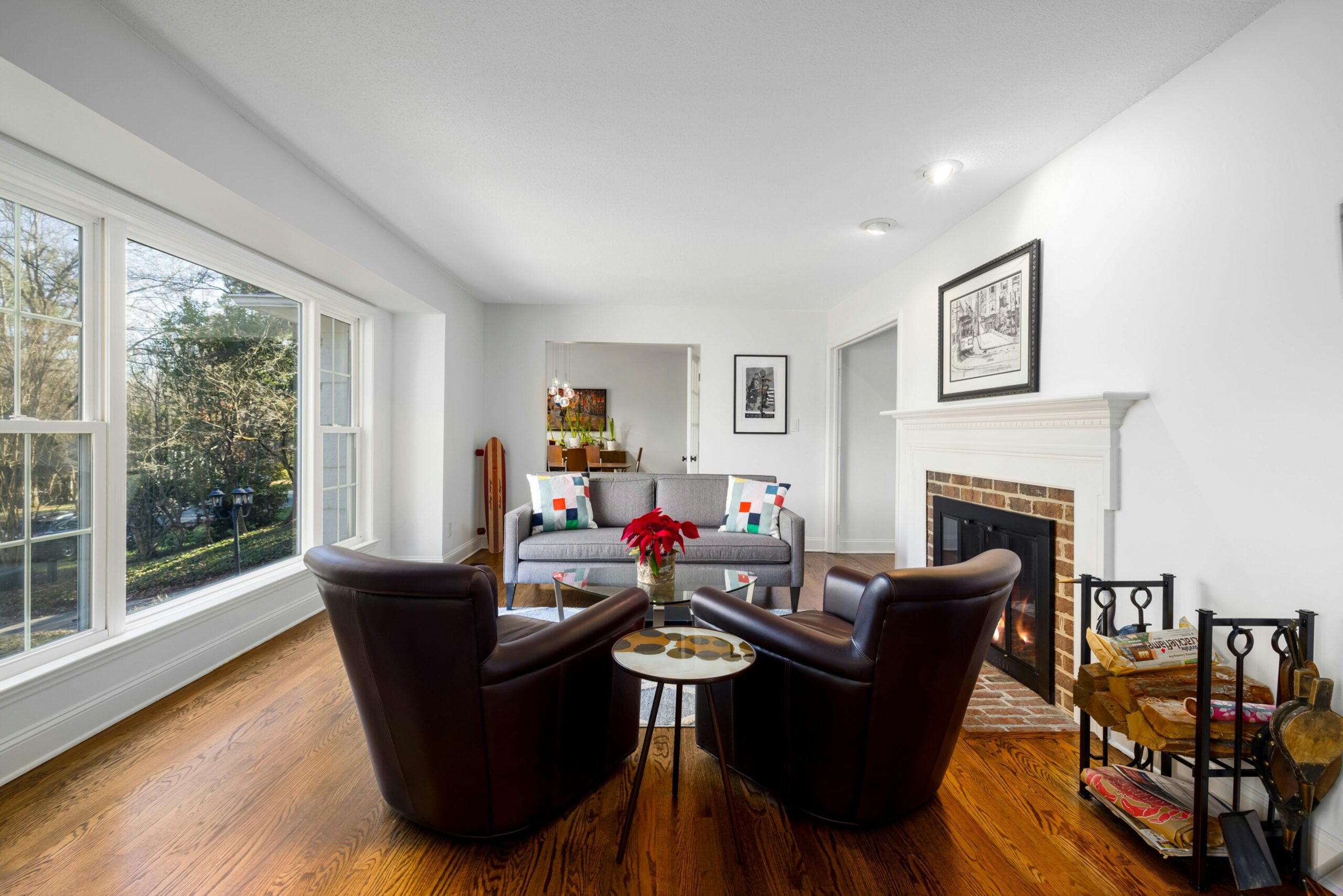


What Makes a Good Downsizer Property in Sydney?

Downsizing is often described as moving from a larger property to a smaller one.

In practice, the better question is whether your next property is better suited to the way you want to live.

For some buyers, that means a luxury apartment close to restaurants and transport.

For others, it may be a single level semi, townhouse or smaller house that provides independence without the maintenance of a larger family home.

The right property is highly personal, but there are several factors worth considering before beginning a downsizer search.

Learn more about our Full Property Buying Service.

Start With Lifestyle, Not Bedrooms

Many downsizers begin by deciding how many bedrooms they need.

That is useful, but it should not be the starting point.

Think about how you want your normal week to look.

Do you want to walk to cafes and shops?

Would you like to be closer to children or grandchildren?

Do you travel frequently?

Do you still want outdoor space?

Would you prefer a building where maintenance is largely handled for you?

Once these priorities are clear, the property brief becomes much easier to define.

Consider Accessibility Early

A property that works well today should ideally remain practical over the longer term.

Depending on your circumstances, this may mean prioritising:

  • single level living
  • lift access
  • minimal stairs
  • secure parking
  • easy access from the street
  • bathrooms that can be adapted if required
  • manageable outdoor areas

Even if accessibility is not currently a concern, considering it during the purchase can increase the number of years the property remains suitable.

Location Can Matter More Than Size

A common downsizing goal is reducing maintenance while gaining convenience.

That may mean accepting less internal space in exchange for a better location.

Being able to walk to shops, medical services, restaurants, transport and recreational facilities can have a significant impact on day to day lifestyle.

For some buyers, being closer to family is also one of the primary drivers behind the move.

A smaller property in the right location may ultimately provide more lifestyle value than a larger property further away.

Be Realistic About Guest Accommodation

It is natural to want space for visiting children, grandchildren and friends.

However, additional bedrooms come with a purchase price and ongoing maintenance cost.

Ask how frequently the space will actually be used.

A flexible second bedroom, study or nearby accommodation may sometimes make more sense than paying significantly more for space that remains empty most of the year.

The objective is not to minimise space at all costs.

It is to buy the space that genuinely supports your lifestyle.

Understand Strata Before Buying an Apartment

Apartments can provide an excellent downsizing option, particularly for buyers seeking security, lift access and lower day to day maintenance.

However, strata due diligence is important.

Before purchasing, understand matters such as:

  • quarterly levies
  • capital works plans
  • major upcoming expenditure
  • building defects
  • strata insurance
  • parking arrangements
  • pet rules
  • renovation restrictions
  • building management

A well located apartment may still be a poor purchase if the building has significant financial or maintenance issues.

Parking and Storage Still Matter

Downsizers sometimes underestimate how much storage they will need when leaving a larger home.

Built in storage, secure parking, basement storage and practical utility areas can materially improve how comfortably a smaller property functions.

It is worth thinking about what you actually intend to bring with you before choosing the property.

Think About Resale Appeal

Even if you plan to stay for many years, future resale should still form part of the assessment.

Properties with strong natural light, practical floorplans, lift access, parking and convenient locations often appeal to a wider pool of buyers.

Very specialised layouts or properties with difficult access may limit your options when you eventually decide to sell.

Take Your Time Defining the Brief

Downsizing can involve more than a property transaction.

For many clients, it means leaving a home they have owned for decades.

There is no benefit in rushing into a property simply because it is smaller or easier to maintain.

At Grantham Buyers Agents, we often spend time with clients refining what they actually want from their next stage before focusing on individual properties.

That clarity can make the entire search more efficient.

Explore our Empty Nester property buying service.

Frequently Asked Questions

What type of property is best for downsizers in Sydney?

There is no single best property type. Apartments, townhouses, semis and smaller houses can all work depending on location, accessibility, maintenance requirements and lifestyle priorities.

Should downsizers prioritise single level living?

Single level living can make a property more practical over the longer term, although lift access can provide similar benefits in apartment buildings.

How many bedrooms does a downsizer need?

This depends on how you live. Consider how frequently guest rooms will actually be used and whether flexible spaces could serve more than one purpose.

Is an apartment always easier to maintain than a house?

Generally, an apartment can reduce personal maintenance responsibilities, but buyers should understand strata levies, building management and future capital works before purchasing.

Should I sell my current home before starting a downsizer search?

Not necessarily. The right timing depends on your financial position, target market and the availability of suitable properties. Developing a coordinated sale and purchase strategy before committing either way can reduce pressure.

Downsizing should be about creating a property and lifestyle that better suit what comes next. Grantham Buyers Agents can help define the brief, identify suitable opportunities and manage the purchase from search through to negotiation and settlement.

Contact Grantham Buyers Agents to discuss your downsizing plans.
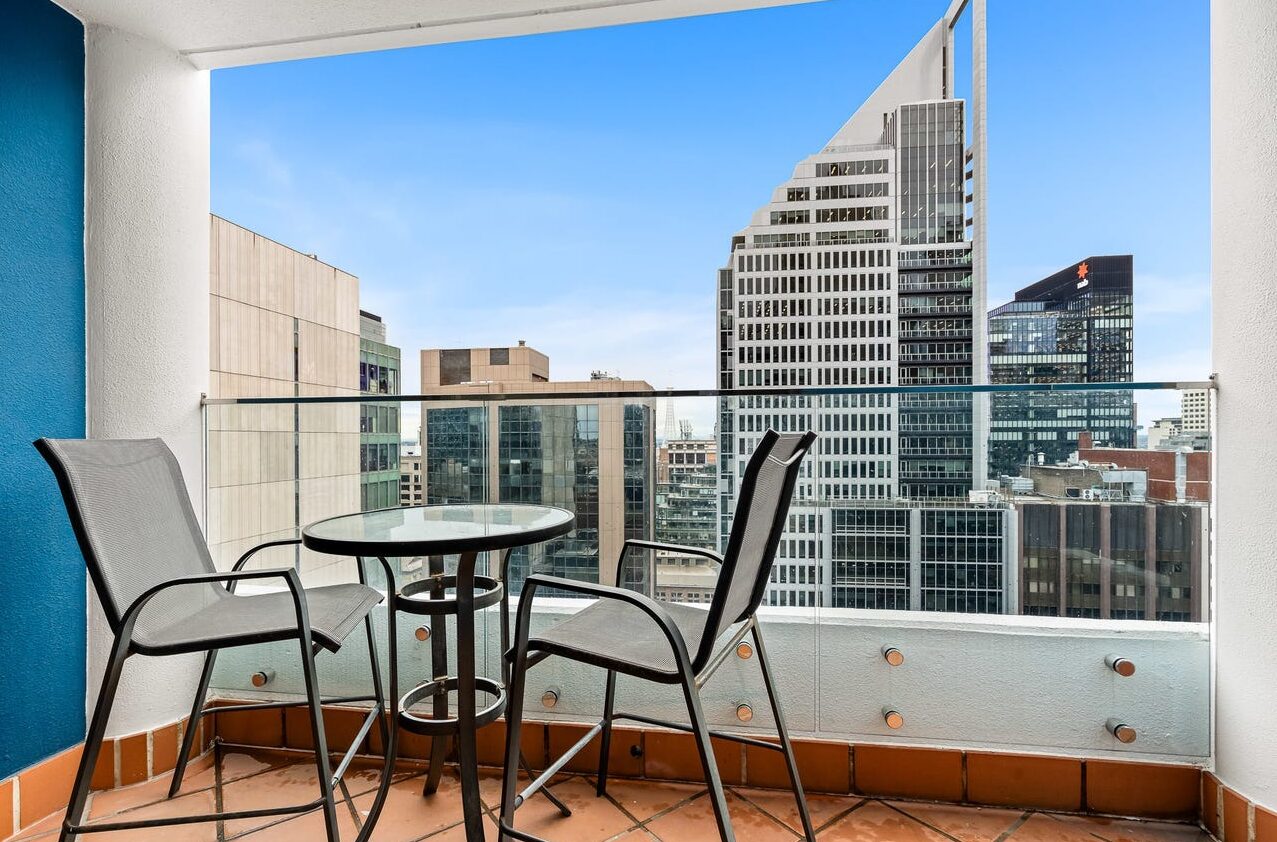
Off market property is often discussed as though simply gaining access is enough to create an advantage.

It is not.

A property being offered privately does not automatically mean it is underpriced, less competitive or a better purchase.

The opportunity still needs to be assessed on its merits.

At Grantham Buyers Agents, off market and pre market opportunities form part of a wider search strategy rather than being treated as a separate category of property.

Learn more about our Full Property Buying Service.

Why Properties Are Sold Off Market

There are many reasons a vendor may choose not to launch a full public campaign.

They may value privacy.

They may want to test buyer interest before committing to marketing costs.

They may have a preferred timeframe or want greater certainty around the sale.

In other situations, an agent may already have qualified buyers who closely match the property.

Understanding why the property is being offered privately can help you assess how the vendor may approach negotiations.

Establish Value Before You Negotiate

Without an auction campaign or advertised price guide, buyers can sometimes find it difficult to understand what an off market property is worth.

Comparable sales remain one of the most important reference points.

We look at recent transactions involving genuinely comparable properties and consider factors including:

  • location within the suburb
  • land size
  • internal accommodation
  • condition and renovation quality
  • parking
  • aspect and outlook
  • development potential where relevant
  • timing of comparable sales

The objective is to establish an independent view of value before entering negotiations.

Do Not Confuse Access With Value

One of the risks of an off market purchase is the perception that the buyer has been given a unique opportunity.

That can create unnecessary urgency.

There may be fewer buyers involved, but the vendor may also have ambitious price expectations because they have not tested the property publicly.

The important question is not simply whether you have access.

It is whether the property suits your brief and the price represents reasonable value.

Understand the Vendor’s Motivation

Motivation can influence negotiation strategy.

A vendor who has already purchased elsewhere may have different priorities from someone who is simply testing the market.

Other factors can include settlement timing, privacy, certainty or the desire for a straightforward transaction.

Understanding these circumstances does not guarantee a discounted purchase, but it can help identify what matters to the vendor beyond price.

Complete the Same Due Diligence

Off market should never mean reduced due diligence.

Depending on the property, buyers may need to consider:

  • building and pest reports
  • strata records
  • contract review
  • planning controls
  • easements and restrictions
  • building approvals
  • comparable sales
  • likely maintenance requirements
  • future development or infrastructure nearby

Your solicitor or conveyancer should review the contract and advise on legal matters before you commit to a purchase.

Know When to Walk Away

One of the most important parts of buying property is knowing when not to proceed.

If the property does not meet your brief, the due diligence raises concerns or the vendor’s expectations move beyond your view of value, walking away may be the right decision.

An off market opportunity is only valuable if the underlying property makes sense.

At GBA, our role is not simply to bring properties to clients.

It is to prequalify opportunities, assess them independently and provide a clear recommendation on whether they are worth pursuing.

See why buyers choose Grantham Buyers Agents to help assess and secure property.

Frequently Asked Questions

Are off market properties cheaper?

Not necessarily. Some are purchased with less competition, but vendors can still have strong price expectations. Each property should be assessed against comparable sales and current market conditions.

How do buyers find off market property in Sydney?

Off market opportunities are often identified through direct relationships with selling agents, private networks and ongoing conversations with agents who know a buyer’s requirements.

Is there less competition for off market property?

Sometimes, but not always. An agent may introduce the property to several qualified buyers before launching a public campaign.

Should I make an offer quickly on an off market property?

Speed can be useful when the right opportunity arises, but buyers should still complete appropriate due diligence and establish their position on value before committing.

Accessing a property before it reaches the wider market can be valuable, but access alone is not the strategy. Grantham Buyers Agents combines agent relationships with independent assessment, due diligence and negotiation to help clients make informed buying decisions.

Contact Grantham Buyers Agents to discuss your property search.

For many Sydney homeowners, deciding whether to buy their next property before selling their current one is one of the most difficult parts of moving.

There is no single right answer.

The best approach depends on your financial position, the type of property you are buying, how competitive your preferred market is, and how much flexibility you have around settlement.

At Grantham Buyers Agents, we regularly assist clients who are upsizing, downsizing or resizing and need to coordinate both sides of the move.

Learn more about our Full Property Buying Service.

Buying Before You Sell

Buying first gives you certainty over where you are going next.

This can be particularly valuable if you are looking for a property type that is difficult to replace, such as a family home in a tightly held suburb, a downsizer property with single level living, or a home within a specific school catchment.

The main advantage is that you can wait for the right property rather than feeling pressure to buy because your current home has already sold.

However, buying first can also introduce financial and timing risks.

You may need to carry two properties for a period, arrange bridging finance or negotiate carefully around settlement dates.

The final sale price of your current home may also affect how comfortable you are with the price you have committed to on your next property.

For this reason, buyers should have a clear understanding of their financial position before committing to a purchase.

Learn more about our Vendor Advocate Service.

Selling Before You Buy

Selling first provides certainty around your available budget.

Once your current home has sold, you know exactly how much equity you have available and can approach the buying process with greater clarity.

It can also remove the pressure of carrying two properties at once.

The downside is that you may need to purchase within a defined timeframe.

If suitable properties are scarce, this can create pressure to compromise or pay more than you otherwise would.

In some cases, clients may also need temporary accommodation if they cannot secure their next property before settlement.

Settlement Terms Can Make a Significant Difference

The timing of the transaction can sometimes be just as important as the price.

A longer settlement period on a purchase can give you additional time to prepare and sell your existing home.

Similarly, some sellers may agree to a leaseback arrangement or other settlement terms that allow both parties greater flexibility.

These terms are not appropriate in every situation, but they can be useful tools when managing a coordinated sale and purchase.

Your solicitor or conveyancer should review any contractual arrangements, while your finance adviser should confirm what is appropriate for your financial circumstances.

Understand the Market on Both Sides

A key mistake is looking at the buying market and selling market as if they are the same.

You may be selling in one part of Sydney and buying in another.

Conditions can differ significantly between suburbs, property types and price brackets.

For example, there may be strong competition for quality family homes in your target suburb while the market for your existing apartment or townhouse is moving more slowly.

Before committing to either strategy, understand:

  • how quickly suitable properties are selling in your target market
  • how much competition you are likely to face
  • how long your existing property may take to sell
  • realistic expectations around your current property value
  • the level of flexibility available around settlement

A Coordinated Strategy Can Reduce Pressure

The decision to buy or sell first should form part of a broader property strategy.

When we work with clients managing both transactions, our role can include assessing the buying market, advising on the likely timing of the search, coordinating with selling agents and helping structure negotiations around the client’s wider move.

This can provide greater clarity before important decisions are made.

Frequently Asked Questions

Is it better to buy before selling in Sydney?

It depends on your financial position and the availability of suitable properties. Buying first can provide certainty over your next home, but it may increase financial and timing pressure.

What happens if I sell but cannot find another property?

You may need to negotiate a longer settlement on your sale, arrange temporary accommodation or wait until the right property becomes available. Planning for this possibility before selling can reduce pressure later.

Can a buyers agent help coordinate a sale and purchase?

Yes. A buyers agent can manage the buying side of the transaction and work alongside your selling agent, solicitor, finance adviser and other professionals to help coordinate timing and strategy.

Can settlement dates be negotiated?

Yes. Settlement periods are negotiable, although the final terms depend on the circumstances and preferences of both parties.

If you are considering selling and buying, Grantham Buyers Agents can help you develop a clear strategy around your next move and manage the purchase from search through to negotiation.

Contact Grantham Buyers Agents to discuss your next property move.

Summary

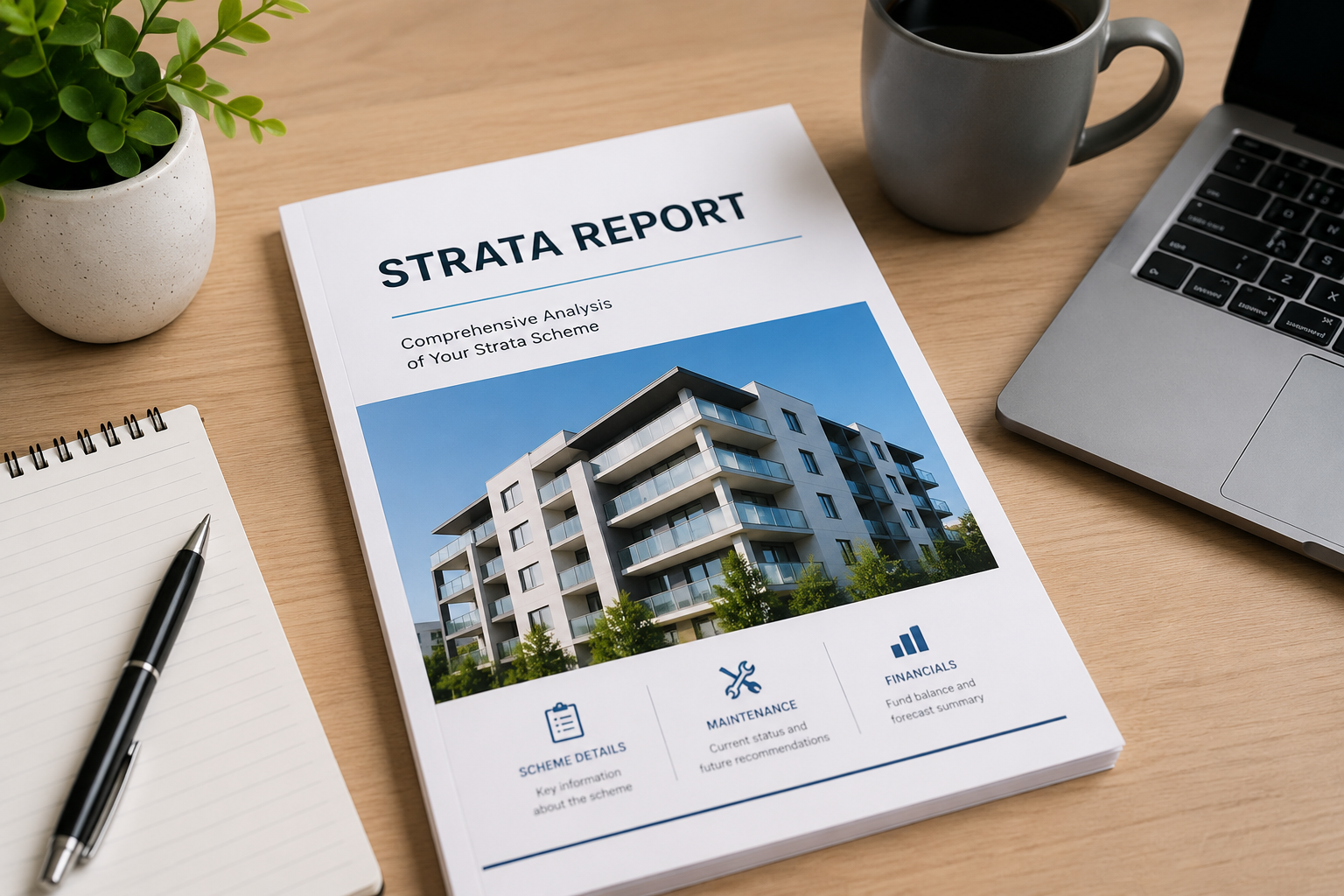
Most apartment buyers focus on the property itself. Experienced buyers focus on the building.

A clean renovation or attractive price means very little if the strata report reveals defects, financial stress or ongoing disputes. These are the issues that can quickly turn a seemingly cheap apartment into an expensive problem.

The difference between a strong apartment purchase and a poor one is often hidden in the paperwork.

What Buyers Commonly Miss

Many buyers only skim strata reports or rely on others to interpret them.

The warning signs are usually there:

• Repeated water ingress or defect discussions

• Weak sinking fund balances

• Ongoing disputes between owners

• Upcoming major works with no funding allocated

None of these issues appear in the marketing campaign, but all of them impact value.

Why Cheap Apartments Can Become Expensive

There is usually a reason a property looks cheap relative to the surrounding market.

Sometimes it is poor layout or position. Other times, it is the building itself.

We regularly see buyers underestimate:

• Future special levies

• Defect rectification costs

• Lift replacements or waterproofing works

• Legal disputes impacting finance approval or resale appeal

What initially looks like a saving can quickly disappear through ongoing costs and weaker long term demand.

What We Look For

A strong strata report is not just about avoiding problems. It is about identifying stable buildings with long term owner occupier appeal.

We focus on:

• Consistent maintenance history

• Healthy sinking fund position

• Limited defect history

• Stable ownership and low conflict within the building

These are usually the buildings that hold value more effectively over time.

Why This Matters More in Sydney

Sydney buyers are increasingly competing for apartments due to affordability pressures.

That means more people are buying into strata without fully understanding what they are purchasing. In many cases, the building quality matters more than the apartment itself.

Good apartments in poor buildings rarely perform well long term.

By Dan Grantham

Summary

New apartments often look better on inspection. Older apartments often perform better over time.

In Sydney, many experienced buyers continue to favour established apartment blocks over newer developments. The reasons are practical, not emotional.

Layout, density, construction quality and owner occupier demand all matter more than polished finishes.

The Layout Difference

One of the biggest differences is usability.

Older apartments were typically designed with larger living areas, better proportions and more natural light. Many newer developments maximise apartment numbers instead, leading to compromised layouts and smaller internal spaces.

Buyers notice this over time, particularly owner occupiers.

Why Density Matters

Higher density developments can create long term issues:

• Greater wear on common areas
• Higher ongoing maintenance costs
• Increased investor ownership
• More transient tenant populations

Lower density buildings tend to feel more stable and community driven, which supports owner occupier demand and resale appeal.

Construction Quality and Strata Stability

Not every new building has problems, but defect concerns have changed buyer behaviour significantly in recent years.

Many buyers are now prioritising:

• Proven building performance
• Stable strata history
• Simpler construction types
• Lower ongoing maintenance risk

Established brick buildings from the 1970s and 1980s continue to attract demand because buyers understand what they are getting.

What Performs Best Long Term

Apartments that consistently perform well usually share similar characteristics:

• Functional layouts
• Strong natural light
• Limited supply within the building
• High owner occupier appeal

These are the assets that tend to remain competitive across changing market conditions.

By Dan Grantham

Summary

There is a perception that now is a difficult time to buy property in Sydney. In reality, this is a stronger environment for buyers who understand how to navigate it.

Stock levels have lifted and more properties are passing in at auction. That has widened the gap between seller expectations and what buyers are prepared to pay, creating room to negotiate.

What Has Shifted in the Market

The market is no longer moving uniformly. High quality properties still attract competition, while the rest require a different approach.

  • A grade properties transact quickly
  • B and C grade properties sit and become negotiable

Strategy and Execution

The advantage in this market comes down to selectivity. Opportunities are emerging in passed in auctions, off market deals and listings that have lost momentum. In each case, sellers are more open to price and terms.

Buyers who understand value and move with clear terms are securing property without the pressure seen in stronger conditions.

What to The Result for Buyers

  • Broader access across the market
  • Improved negotiating position
  • Less pressure from competing buyers
  • Greater control over price

This is not about timing the market perfectly. It is about recognising when conditions favour disciplined buyers.

By Dan Grantham

Summary

Buying your first property is not just about getting into the market, it is about making a decision that holds up over time.Most buyers focus on price and presentation. The better approach is understanding what will perform and give you flexibility.l.

What Most First Home Buyers Get Wrong

Many buyers treat their first purchase as a one off decision.

It should be assessed with resale, rental demand and ongoing costs in mind. Focusing on finishes instead of fundamentals is where mistakes are made.

Strategy and Execution

The objective is not speed. It is quality of decision.

Older buildings often provide better layouts and value, while newer properties carry a premium.

Entry level opportunities are usually found just outside established suburbs.

What to Look For

  • Functional layout
  • Strong natural light
  • Consistent demand
  • Well maintained building

Where We Are Seeing Opportunity

  • Suburbs near premium areas
  • Infrastructure growth locations
  • Older buildings with fundamentals

By Dan Grantham

Summary

Investing in Sydney property has never been about chasing yield. It has always been about capital growth.

Compared to markets like Queensland or Western Australia, Sydney yields are lower. But long term performance has consistently come from price growth, driven by demand, population and limited supply.

With house prices pushing towards 2 million dollars, most investors are now focused on apartments. That is where the right strategy becomes critical.

Why Sydney Investment Requires a Different Approach

Sydney is not a one size fits all market. Buying the wrong apartment can lead to poor growth, high strata costs and ongoing tenant issues. The difference comes down to location, building quality and long term demand.

Strategy and Execution

The first step is defining your investment goal.

If yield is the priority, areas like Parramatta and Westmead offer stronger rental returns supported by infrastructure and employment hubs.

If the focus is growth, lifestyle locations such as Manly, the Eastern Suburbs and areas close to the CBD continue to outperform due to scarcity and demand.

Infrastructure led investment is another approach. Buying near major transport projects can improve long term performance as accessibility improves.

What to Look For in an Investment Apartment

  • Low rise buildings with limited supply
  • Functional, oversized floorplans
  • Proximity to transport, shops and lifestyle amenities
  • Proven demand from renters and owner occupiers

The Reality for Sydney Investors

Apartments can be a strong long term investment when selected correctly. Where investors go wrong is chasing price or ignoring building quality and location fundamentals.

The difference between a good and bad investment comes down to understanding how the market behaves and making informed decisions.

By Dan Grantham

Summary

Medical professionals work in demanding environments with long hours and constant decision-making. While property can be a powerful way to build wealth, navigating the market properly requires time and expertise – two things most healthcare professionals don’t have. A buyer’s agent solves this. Without strategy and market expertise, it’s easy to overpay or secure an underperforming asset. A buyer’s agent provides guidance, structure, and confidence throughout the process.

The Challenge for Medical Professionals

Medical professionals typically have:

  • High income but limited time
  • Strong borrowing power
  • Lack of exposure to property strategy

This often results in reactive decisions, missed opportunities, or buying the wrong type of asset.

Where Buyers Agents Create the Advantage

A buyer’s agent represents the purchaser and manages the entire acquisition process, including:

  • Identifying suitable properties, including off-market options 
  • Analysing market data and conducting due diligence 
  • Negotiating price and terms 
  • Managing the purchase from start to finish

The objective is not just to secure a property, but to ensure it’s the right fit in terms of location, quality, and value.

Why This Matters

Medical professionals are uniquely positioned to build significant wealth through property when informed decisions are made.

A buyer’s agent ensures each purchase is aligned with long-term performance, turning income into high-quality, growth-focused assets, without requiring you to become a property expert.

For time-poor professionals, the objective isn’t simply to buy property. It’s to buy well.

If you’re serious about securing the right asset, you need confidence that every viable opportunity has been carefully considered.

Summary

Downsizing in Sydney is a high-stakes transition. It’s not just about simplifying, it’s about preserving lifestyle, unlocking equity, and making a well-timed move in one of Australia’s most competitive markets.

Without the right guidance, downsizers risk overpaying, compromising on lifestyle, or missing tightly held opportunities. A buyer’s agent brings structure, clarity, and confidence to the process..

What Vendor Advisory Really Means

The Challenge for Downsizers

Downsizers typically face: 

  • Significant equity with high expectations 
  • Emotional ties to the family home 
  • Limited familiarity with current market conditions

This often leads to hesitation, compromised choices, or rushed decisions driven by timing pressures.

Where Buyer’s Agent Creates the Advantage

A buyer’s agent represents the purchaser and manages the entire acquisition process, including: 

  • Targeted property search, including off market opportunities 
  • Suburb and asset selection aligned with lifestyle goals 
  • Market analysis and due diligence
  • Strategic price negotiation 
  • End-to-end purchase management

The focus isn’t just on moving, but on improving lifestyle while protecting wealth.

Why This Matters

For many downsizers, this is a one-time move, so the outcome needs to be right.

A buyer’s agent helps secure a high-quality property in a suitable location, whether that’s a low-maintenance home, apartment, or lifestyle asset, without unnecessary compromise.

In a market like Sydney, the goal isn’t simply to relocate. It’s to move forward with confidence.

If you’re unlocking equity from your family home, you want the certainty that it’s being 

directed into a property that aligns with your next stage of life.

Summary

Selling property in Sydney can quickly become overwhelming. Agent selection, commission structures, pricing strategy and marketing decisions all impact your final result.

Our Vendor Advisory Service ensures you are never navigating that process alone.

We act as your independent representative from start to finish, helping you make better decisions and achieve a stronger outcome without paying anything extra.

We have overseen sales ranging from a $750,000 dollar holiday home in Blackheath through to the $37.5 million dollar sale of Iona in Darlinghurst, and everything in between. Strategy matters at every level.

What Vendor Advisory Really Means

We represent you, not the selling agent.

Our role is to provide clear strategy, remove emotion and oversee every stage of the campaign so you stay in control.

How It Works

Independent appraisal
We provide an unbiased assessment of value before agents set expectations.

Agent selection and fee negotiation
We shortlist and interview the right agents, then negotiate commission structures aligned with your goals.

Campaign strategy and preparation
We guide presentation, marketing spend and price positioning to maximise competition.

Negotiation and auction support
We manage buyer negotiations and support you through exchange and settlement.

Why It Costs You Nothing Extra
Our fee is paid from the agent’s commission, not added to your selling costs. In many cases, our involvement improves fee structures and campaign performance.

Whether it is a regional investment or a prestige estate, the principle remains the same. Independent advice protects your position.

An off-market property is a property offered for sale without a full public advertising campaign. In Sydney, these opportunities can give buyers access to homes before they appear on the major portals, but off-market does not automatically mean cheaper or better value.

The advantage is access to a broader set of options. The discipline is still the same: understand value, complete due diligence and negotiate on terms that make sense for the property.

What counts as an off-market property?

True off-market opportunities are not publicly advertised to the wider market. They may arise because a vendor wants privacy, prefers a targeted sale, is testing buyer interest before launching a campaign or is willing to transact if the right buyer and terms are presented.

That is different from a broad database campaign sent to hundreds of buyers. If you want to understand the distinction, read our guide to the difference between an off-market and database listing.

How do buyers find off-market properties in Sydney?

Most off-market opportunities come through relationships with selling agents, buyer databases, direct vendor conversations, pre-market campaigns and targeted approaches to owners. Access is particularly valuable in tightly held suburbs where quality stock is limited and a suitable property may transact before a public campaign begins.

Are off-market properties cheaper?

Not necessarily. Some vendors choose an off-market sale because they value privacy or certainty, while others may be testing a price before going to market. Buyers still need an independent view of value based on comparable sales, property condition, vendor motivation and the likely level of competition.

An off-market opportunity is useful because it expands the choice available to you, not because it guarantees a discount.

What are the potential advantages?

  • Earlier access. You may be able to inspect and assess the property before a wider campaign begins.
  • Less public competition. A targeted sale can involve fewer active buyers than an auction campaign.
  • Greater flexibility. Price, settlement timing and other terms can sometimes be negotiated directly around the vendor’s priorities.
  • More complete market coverage. Buyers can compare public listings with opportunities that are not visible on the major portals.

What are the risks?

Off-market buyers can face pressure to move quickly, limited price guidance and less transparency about competing interest. A vendor may also be using the process to test an ambitious price. That makes independent appraisal and due diligence especially important.

How should you assess an off-market property?

  • Review genuinely comparable recent sales
  • Understand why the vendor is selling off-market
  • Complete the same legal, building, pest or strata due diligence you would for a public listing
  • Set a clear value range before negotiating
  • Assess settlement terms and contract conditions, not just price

For a deeper assessment framework, see How to Assess an Off-Market Property.

How a buyers agent can help

Off-market sourcing is only one part of the buying process. The greater value is having someone assess whether the property is actually right for your brief, determine fair value, coordinate due diligence and negotiate without being influenced by the urgency of the opportunity.

Our Full Property Buying Service covers the complete search, including on-market, pre-market and off-market opportunities. If you have already found the property, our Negotiate Only Service provides appraisal, due diligence and negotiation support.

You can also explore local buying guides for tightly held markets such as Mosman and Seaforth, or read our Seaforth off-market purchase case study.

Summary

The Upper North Shore is defined by established family housing, rail access, leafy streets and strong school demand. An Upper North Shore buyers agent can help assess school catchments, land, building condition, transport access and value across a market where quality homes can be tightly held.

What buyers should compare on the Upper North Shore

Large blocks and established housing can create opportunities, but buyers need to account for bushfire exposure, drainage, slope, building condition, school catchments and the practical walk to rail or village centres. Renovated family homes can attract strong competition, while older homes may require careful assessment of future capital works.

  • Cheltenham for low-density family housing and rail access
  • Pennant Hills for established homes, schools and transport
  • Cherrybrook for family housing, school demand and Metro access

How Grantham Buyers Agents helps

We assess the property and location together, compare recent sales, coordinate due diligence and manage the negotiation or auction with a clear value framework. Learn more about our Full Property Buying Service.

Why the Upper North Shore Stands Out

Federation and mid century homes sit beside modern apartments near the rail line. National parks and bush tracks are close and the area is quiet without feeling remote.

What Living Here Feels Like

Coffee on a tree lined street, a quick train to the city and afternoons at sport or in the park. Evenings are calm with local dining and community events.

What You Can Buy

Choice spans character houses, townhouses and apartments along the rail corridor.
• Character houses on wide blocks
• Typically the block size is much larger than you’d see closer to the city
• Townhouses near rail and schools
• Apartments along the rail corridor for convenience

Who Is Buying

Families targeting selective and private schools, professionals who want a calm base and an easy rail commute and downsizers who want lift access near shops and medical.

Commute and Access

Regular trains on the North Shore Line with simple interchanges to the Metro at Chatswood. Road access to Macquarie Park and the M2 is straightforward.

Why Buying Here Makes Sense

Tight supply of quality homes, a large base of family buyers and schools that anchor demand. Values have been resilient across cycles.

See recent Upper North Shore purchases and local suburb guides below for more detailed market information.

Summary

The Hills District attracts families and upsizers looking for space, schools, established neighbourhoods and Metro access. A Hills District buyers agent can help compare areas such as Castle Hill and Cherrybrook on land, school catchments, transport, property condition and value.

What buyers should compare in the Hills District

Lot size alone does not determine value. Buyers should consider slope, drainage, bushfire exposure, school catchments, renovation quality, walking distance to Metro or shops and the condition of older homes. Newer estates and established family streets can also attract very different buyer demand.

  • Castle Hill for Metro access, established family housing and varied land sizes
  • Cherrybrook for school demand, family homes and access to the Metro

How Grantham Buyers Agents helps

We identify suitable on-market and off-market opportunities, assess comparable sales and property-specific risks, coordinate due diligence and manage negotiation or auction strategy. Our Full Property Buying Service supports buyers from search through to settlement.

Why the Hills Stands Out

Wide streets, parks on the doorstep and local centres that make daily life easy. The Metro links key hubs and keeps commutes predictable.

What Living Here Feels Like

School drop off without the rush, weekend sport at the local oval and a quick Metro ride for a city dinner. Practical, relaxed and community focused.

What You Can Buy

There is a wide range of homes to suit different stages of life:
• Larger family homes on generous lots
• Townhomes close to transport and shops
• Apartments near Metro stations for low maintenance living

Who Is Buying

Upsizers moving from the Inner West or Inner City for more land, young families chasing school choice and investors focused on steady rental demand near the Metro.

Commute and Access

The Metro is the game changer. Park and ride works well and bus links feed major stations. Road links to Norwest, Macquarie Park and the M2 are straightforward.

Why Buying Here Makes Sense

Strong land content, deep family demand and respected school networks support values across cycles. The right pocket near transport and parks offers both value and future demand.

See recent Hills District purchases, including family and investment acquisitions across the region.

Summary

Sydney’s Eastern Suburbs combine beachside, harbour and inner-city markets, with very different buying considerations across Bronte, Randwick, North Bondi, Dover Heights and Darlinghurst. An Eastern Suburbs buyers agent can help compare property quality, location, value, due diligence risks and competition before you commit.

What buyers should compare in the Eastern Suburbs

Coastal exposure, parking, slope, views, heritage, strata quality and street noise can change value dramatically within a short distance. Beachside apartments require different due diligence from terraces in inner-city pockets or large family homes in elevated prestige suburbs.

  • Bronte for beachside apartments and tightly held family homes
  • Randwick for transport, apartments and family housing
  • North Bondi for beach access, apartments, semis and family homes
  • Dover Heights for land, outlook and prestige housing

How Grantham Buyers Agents helps

We help buyers compare opportunities across the region, assess recent sales, coordinate building, strata or planning due diligence where required and manage the negotiation or auction. Our Full Property Buying Service provides end-to-end representation.

Why the East Stands Out

Iconic beaches, harbour bays and walkable villages provide daily amenity. Light rail links Randwick and Kingsford to the city and ferries from Rose Bay and Double Bay make the commute a pleasure.

What Living Here Feels Like

Swim or walk the coastal path before work. A quick light rail or bus into the city. Evenings at a neighbourhood wine bar or by the water. Weekends for markets, surf and long lunches.

What You Can Buy

A wide mix from apartments to landmark houses with views.
• Art Deco and mid rise apartments near the beach
• Classic terraces in Paddington and Woollahra
• Modern apartments with lift access and parking
• Landmark homes with harbour or ocean views
• The price point tends to attract a premium due to the demand and lack of stock for quality properties

Who Is Buying

Professionals who want the shortest route to work and lifestyle, families who value schools and parks, downsizers who want lift access and village convenience and investors who focus on tenant demand.

Commute and Access

Light rail, frequent buses and ferries give multiple paths to the city. Cycling is popular for local trips. Parking is the variable we weigh up during shortlisting.

Why Buying Here Makes Sense

Global appeal, steady buyer depth and strong rental demand support values. The right street and building choice keeps maintenance and noise in check while capturing lifestyle.

See recent Eastern Suburbs purchases and our guide to harbour versus bridge views.

Summary

The Lower North Shore remains one of Sydney’s most competitive owner-occupier markets, spanning harbour suburbs, village centres, apartments and established family homes. A Lower North Shore buyers agent can help compare areas such as Mosman, Crows Nest, Lane Cove and Northbridge on value, lifestyle, property quality and long-term suitability.

What buyers should compare on the Lower North Shore

There is no single Lower North Shore market. Apartment buyers in Crows Nest or Lane Cove face different strata, building and transport considerations from family buyers looking in Northbridge or Mosman. Street position, parking, slope, school access, renovation quality and proximity to villages or transport can all materially affect value.

  • Mosman for harbour and beachside living, apartments and prestige family homes
  • Crows Nest for Metro access, walkability and apartment or terrace living
  • Lane Cove for family streets, village convenience and varied housing
  • Northbridge for larger family homes, land and a quieter peninsula setting

How Grantham Buyers Agents helps

We define the buying brief, search on-market, pre-market and off-market opportunities, assess comparable sales, coordinate due diligence and manage negotiation or auction strategy. Our Full Property Buying Service is designed for buyers who want independent representation from the start of the search through to settlement.

Why the Lower North Shore Still Stands Out

Classic Federation and Art Deco homes sit beside modern apartments. Villages hum with cafes and shops. Green space and water are never far away.

You will find:
• Walkable high streets with local cafes and restaurants
• Green outlooks, reserves, and harbour paths
• Quick links to the CBD and the wider metro network

Each suburb has its own feel:
• Mosman and Balmoral for beach and village life
• Neutral Bay and Cremorne for dining and quick city access
• Crows Nest and North Sydney for work life convenience and new transport
• Lane Cove, Wollstonecraft, Waverton, and Kirribilli for quiet streets near rail and ferry

Family friendly pockets

• Mosman, Lane Cove, Cammeray, Cremorne, and Northbridge are popular with young families for parks, school zones, and calm streets

What you can buy

• Low rise apartment blocks in tree lined streets
• Modern complexes near the water with lift access and facilities
• High end luxury homes with harbour views
• Charming Federation houses with heritage character

What Living Here Feels Like

Start with a harbour walk or a quick gym session. The city is minutes away. Evenings are easy with local dining or a ferry ride at sunset. Weekends are for Balmoral swims, bush tracks around Middle Harbour, junior sport, and parks along the Lane Cove River. Settled, social, simple.

Who Is Buying on the Lower North Shore?

A broad mix
• Families chasing top primary and secondary schools including many private options
• Professionals who want a short commute and a lively village scene
• Downsizers looking for lift access and walkability
• Investors targeting deep tenant demand and low vacancy

Why Buying Here Makes Sense

Location does the heavy lifting. You are close to the CBD, major employment hubs, universities, and the harbour. Ongoing transport upgrades around Crows Nest and North Sydney keep improving connectivity. The area has a long record of buyer depth, solid rental demand, and resilience across cycles. For living or investing, it stacks up.

See our recent Lower North Shore purchases for examples of properties secured across the region.

Summary

From Seaforth and Balgowlah through Fairlight and Manly, the Northern Beaches combines harbour and coastal living with tightly held family markets and a wide range of apartments and prestige homes. A Northern Beaches buyers agent can help assess value, access, building quality, slope, views and competition before you buy.

What buyers should compare on the Northern Beaches

Micro-location matters. A steep block with views, a level family street, a beachside apartment and a harbour-side downsizer property can all attract different buyer pools and require different due diligence. Parking, coastal exposure, strata condition, access, renovation quality and transport can materially affect value.

  • Seaforth for family homes, harbour outlooks and development sites
  • Balgowlah for family housing, village access and proximity to Manly
  • Fairlight for apartments, harbour access and downsizer appeal
  • Manly for beach lifestyle, apartments and tightly held houses

How Grantham Buyers Agents helps

We source across public and off-market channels, assess comparable sales and property-specific risks, coordinate due diligence and represent buyers through negotiation or auction. Learn more about our Full Property Buying Service.

What you will find

• Family friendly neighbourhoods across Seaforth, Balgowlah, Manly, and Freshwater
• Modern complexes near the water with lift access and parking
• High end homes with views across the harbour or surf
• Charming Federation houses with heritage character

What Living Here Feels Like

Coffee by the water. A walk or swim before work. City commute without the grind. Evenings in local dining spots or sunset on the sand. Weekends are for coastal walks, paddle boarding, surf lessons, junior sport, and long lunches with friends. Easy living and a high quality of life are the expectation.
We guide you through each step so decisions are fast and confident, from first shortlists to final negotiation.

Why Buying Here Makes Sense

Location does the heavy lifting. Minutes to the CBD by ferry, express bus, or car. Coastline on your doorstep. A long record of buyer demand, strong rental interest, and resilient capital growth. Whether you are buying to live or invest, the Lower Northern Beaches stacks up.

We help you secure the right property with clean due diligence, off market access, and a clear plan from first inspection to settlement.

Explore our Full Property Buying Service or review recent Northern Beaches purchases.

Summary

Buying in Sydney’s Inner West means comparing very different micro-markets, from Balmain and Leichhardt to Newtown and Marrickville. An experienced Inner West buyers agent can help you assess character homes, apartments, transport access, renovation risk and value before you commit.

The Inner West remains highly competitive because buyers are balancing village lifestyle, schools, transport, character housing and proximity to the city. The strongest opportunities are usually property-specific rather than suburb-wide.

What buyers should compare in the Inner West

Terraces, semis, Federation homes, apartments and warehouse-style conversions can all sit within a few kilometres of each other but carry very different risks and price drivers. Parking, aircraft noise, heritage controls, flood exposure, renovation quality and the practical walk to transport or village centres all matter when comparing value.

  • Balmain for harbour villages, terraces and tightly held family homes
  • Leichhardt for family housing, transport and village amenity
  • Newtown for terraces, apartments and strong lifestyle demand
  • Marrickville for varied housing, transport and a broader range of price points

How Grantham Buyers Agents helps Inner West buyers

We compare the property against recent sales, inspect and shortlist suitable opportunities, coordinate the appropriate due diligence and manage the negotiation or auction. Buyers who want end-to-end support can use our Full Property Buying Service.

Why the Inner West Still Stands Out

It’s where culture meets community. From Leichhardt to Marrickville, Balmain to Newtown, the Inner West offers something for everyone.

– Walkable neighbourhoods with parks, shops, and local cafés
– Character homes and leafy streets
– A strong sense of local identity in each suburb

It’s no surprise that families and professionals are putting the Inner West at the top of their wishlist.

Metro West Is Changing the Game

The new Sydney Metro is already making waves across the Inner West. New stations at Five Dock, Balmain, Marrickville and more will improve city access and reduce travel times.

For buyers and investors, that means:
– Better connectivity, more suburb appeal, stronger long-term capital
We’re already seeing more competition in suburbs along the future Metro route.

It Works for Families, Too

With access to top schools like Summer Hill Public and Newtown High School of the Performing Arts, plus playgrounds, swim schools and green space—this part of Sydney makes family life easy.

From Callan Park to Camperdown Memorial Rest Park, there’s plenty of room to move—and strong community vibes to go with it.

A Quick Commute to the City

Living in the Inner West means being 10–20 minutes from the CBD. Whether it’s the train, bus, ferry, or soon the Metro, the commute is easy—and often the reason people stay long-term.

Each Suburb Feels Like Its Own Village

One of the biggest drawcards of the Inner West is that every suburb has its own personality:

– Balmain: Charm and harbour views
– Leichhardt: Italian heritage and family energy
– Newtown: Creative, bold, and ever-changing
– Marrickville: Diverse, vibrant, and full of local flavour

Our Take at Grantham Buyers Agents

The Inner West continues to attract owner occupiers and investors because of transport, village amenity, varied housing and proximity to the city. The right purchase depends on the individual street, property condition and price rather than broad suburb growth assumptions.

Whether you’re looking for a terrace in Annandale or an apartment near the new Metro, we’re here to guide the process end-to-end.

See recent Inner West purchases and our guide to buying near the Sydney Metro.

Summary

Sydney’s Inner City and fringe suburbs continue to draw buyers who want the best of everything: walkability, great food, culture, and a quick commute to work.

In 2025, suburbs like Surry Hills, Darlinghurst, Potts Point, and Barangaroo are at the top of many wishlists — especially for buyers looking to live or invest in a location that offers both lifestyle and long-term value.

Why the Inner City Still Stands Out

There’s nowhere in Sydney quite like the Inner City. Old world charm meets modern design, with heritage terraces and Art Deco buildings sitting alongside sleek new apartments.

You’ll find:
– Tree-lined streets with local cafés and wine bars
– Hidden galleries, small retailers, and great food at every turn
– A sense of energy and creativity you won’t get in the suburbs

Each suburb has its own personality:

– Surry Hills: Creative, social, full of buzz
– Potts Point: Elegant and timeless, with fine dining on the doorstep
– Redfern: Edgy, artistic, and constantly evolving
– Barangaroo: High-end living with luxury developments and harbour views

What Living Here Feels Like

A weekday might start with a walk through Hyde Park or a gym session before work. You’re at the office within minutes — no long commute.

Evenings are for dinner with friends or a wine bar just a few blocks from home. On weekends? Local markets, exhibitions, and brunch spots are all within walking distance.

It’s the kind of lifestyle that keeps people anchored here long term.

Who’s Buying in the City Fringe in 2025?

We’re seeing a broad mix of buyers — and each has their own reasons for loving this part of Sydney:

– Professionals who want the shortest possible commute
– Creatives drawn to the culture and energy
– Investors looking to secure strong yields and high rental demand
– Downsizers trading yard work for convenience and walkability

Why Buying in the Inner City Makes Sense

Location is king — and these suburbs are minutes from the CBD, major universities, tech and finance hubs, the harbour, and top-tier dining.

The Inner City has a proven track record of:
– Strong capital growth, high rental demand, resilient market

Whether you’re looking for a smart investment or a place to call home, the City Fringe continues to offer value and long-term appeal.

Summary

For many buyers in 2025—especially first home buyers and self-employed professionals—the question isn’t can I buy property? It’s should I buy where I live, or invest first and rent where I want to be?

Rentvesting continues to be a practical strategy in today’s market, especially with rising living costs, competitive property market, and lifestyle priorities at the front of mind.

What Is Rentvesting and Why Does It Work in 2025?

Rentvesting means buying an investment property in an area you can afford, while continuing to rent in the area you want to live in.

It’s not a new concept, but in 2025, the appeal is stronger than ever:
You can live in a higher-priced suburb with lower day-to-day costs
Leases can be locked in for 12–24 months, offering stability without the full ownership commitment
You’re still building equity and entering the property market—but on your terms

Financial Benefits of Rentvesting

Tax benefits: Holding the property as an investment gives access to negative gearing and other deductions—especially valuable for higher-income earners

Flexibility to move in later: If your situation changes, you can move into the property down the track

Business benefit for the self-employed: If you own a business and work from home, part of your rent may be claimable as a home office expense—as long as you can demonstrate that space is genuinely used for work

Lifestyle + Investment = Balance

Sydney’s lifestyle suburbs—whether that’s coastal pockets like Manly and Bondi or inner-city hubs like Newtown or Surry Hills—can be out of reach for many wanting to purchase a home to live in.

But renting in those areas while investing in growth suburbs gives you the best of both worlds:

A strong investment to build wealth & home base that suits your current lifestyle

How We Help Rentvestors at Grantham Buyers Agents

Our job is to match the strategy to your life stage—not the other way around. For rentvestors, we:
Identify investment-grade properties with strong yield and growth
Help you structure the purchase with your accountant or broker
Source off-market or under-the-radar opportunities Provide ongoing support post-settlement if you later choose to move in, renovate or sell

https://www.granthambuyersagents.com.au/investor/

Summary

Planning to buy property in Sydney from overseas before the year ends? Whether you’re in Singapore, Europe or the US, here’s what you need to know right now:

– Lending rules for expats have changed—affecting borrowing power
– Buyer competition is heating up in key Sydney suburbs this Spring
– Off-market access and a local expert are essential for success

1. Lending Has Tightened for Expats
If you’re earning income overseas, lending isn’t as straightforward as it once was. In recent months, we’ve seen:
– Increased income shading (up to 40% discount applied to foreign income)
– Stricter documentation and postcode restrictions

This makes early preparation with a specialist expat mortgage broker critical. We work closely with trusted lending partners who understand the nuances of expat lending and can navigate complex structures efficiently.

2. Buyer Activity Is Building Across Our Core Markets
Across our key areas—Lower North Shore, Northern Beaches, Inner West, Inner City, Upper North Shore and Hills District—we’ve seen a marked increase in buyer activity this Spring.

Inspection numbers are up, pre-auction interest is strong, and well-presented homes are attracting multiple parties—often within days of listing.

We’ll help you navigate multiple legislation changes, local trends, and price movements with clarity.

3. Working with Grantham Buyers Agents Gives You the Full Advantage
We’ve helped expats across Singapore, Europe, USA and Korea purchase property in Sydney with confidence—and without the stress.

What makes our service unique is that we offer a complete end-to-end solution, including:
– Access to key partners such as conveyancers, mortgage brokers & accountants that will make your search smooth and seamless
– Easy onboarding & communication style, expert insights and access to off-market properties

We don’t just help you buy. We coordinate the entire process from brief to settlement—and beyond. It’s the smart, streamlined way for expats to purchase in Australia.

https://www.granthambuyersagents.com.au/expats/

https://www.granthambuyersagents.com.au/property/27-gavin-place-cherrybrook-nsw-2126

Summary

A major policy change comes into effect on October 1st: first home buyers will now be able to purchase properties up to $1.5 million with just a 5% deposit. While aimed at helping young Australians enter the market, the impact will likely add heat to an already competitive buyer segment.

What’s Changing from October 1st?

The Albanese Government is introducing a 5% deposit scheme for first home buyers on purchases up to $1.5 million. Buyers will be able to borrow 95% of the purchase price, without needing to pay Lenders Mortgage Insurance (LMI).

Previously, this type of scheme applied to homes under $1 million. This change significantly increases the maximum spend for eligible buyers—and will likely drive up buyer demand in the $1M–$1.5M price range.

How Will This Affect the Market?

When borrowing capacity increases, so do buyer expectations. What was once a $1M cap for many first home buyers will now stretch to $1.1M or even $1.15M, as buyers look to maximise their new ceiling.

This added demand could push prices up by 15–20% in entry-level markets, particularly in well-connected metro and fringe suburbs. While we’re not expecting a return to COVID-era price surges, the increase in purchasing power is likely to drive renewed competition in what’s already one of the hottest segments.

What’s the Catch?

The policy may open the door for higher spending, but not every buyer can walk through it.

A $1.5 million property with 5% down still means borrowing $1.425 million. At today’s interest rates, repayments could exceed $8,000 per month. Most first home buyers simply don’t earn enough to service a loan of that size—especially without dual incomes and minimal other debts.

And let’s not forget stamp duty. With increased prices comes a higher tax bill, which remains one of the government’s largest revenue streams. So while the scheme aims to help buyers, it also feeds back into government income.

Our Take at Grantham Buyers Agents

Policies like this are framed as affordability solutions—but in practice, they often fuel short-term price growth. If you’re a first home buyer, this makes it even more important to have a clear plan and move strategically.

We expect to see increased urgency and competition in the $1M–$1.5M bracket over the coming months. If you’re looking to buy before prices shift further, we can help you move with confidence.

https://www.granthambuyersagents.com.au/buying-tips/

Summary Introduction
Buying into a strata building in Sydney? Before you sign anything, make sure you understand exactly what you’re buying into. A strata report reveals the true condition of a building—from how well it’s maintained to whether owners are battling legal disputes. At Grantham Buyers Agents, we review hundreds of strata reports each year for clients across the Inner West, Lower North Shore, and Eastern Suburbs. Here’s what we look for—and what you should too.

1. Financial Position
The financial health of the building matters just as much as your own loan pre-approval. We check:

  • Administrative fund: used for day-to-day expenses like cleaning, gardening, and minor repairs
  • Capital works fund: saved for bigger-ticket items like roofs, lifts, or painting

Are the funds healthy? Do they match the 10-year capital works forecast? Are any special levies proposed—or recently raised? If strata levies are above $2,000 per annum, we want to see where that money is going and why.

https://www.granthambuyersagents.com.au/how-to-make-buying-property-a-breeze-with-these-key-partners/

2. Maintenance History
We scan for signs of a proactive vs. reactive building. Red flags include:

  • Repeated mentions of leaks, water ingress, or cracked tiles
  • Postponed maintenance or deferred upgrades
  • Major works (like waterproofing or cladding) that haven’t been addressed

Well-run buildings stay ahead of problems. Poorly run ones leave issues to escalate—costing you later.

3. Strata Committee Dynamics
The minutes tell us a lot about how the building is governed. We look for:

  • Stable, active committees with clear communication
  • Regularly held AGMs and owner engagement
  • Constructive tone in discussions—not finger-pointing or dysfunction

If the committee is unresponsive or combative, that’s a red flag.

4. Legal Issues and Insurance
We check for:

  • Adequate building and public liability insurance
  • Evidence of compliance with fire safety, pool fencing, and window restrictors
  • Whether the building is involved in ongoing NCAT disputes, litigation, or debt collection cases

Legal trouble can derail your investment and lead to unexpected levies.

5. Overall Building Culture
Strata reports don’t just reveal facts—they reveal culture. Is the building calm and community-minded, or full of conflict? Meeting minutes often reveal:

  • Interpersonal disputes between owners or tenants
  • Noise complaints, renovation conflicts, or breach notices
  • Consistent tone of co-operation (or lack thereof)

If you’re planning to live there—or rent it out—this matters more than you might think.

https://www.granthambuyersagents.com.au/why-paying-high-strata-levies-may-not-be-a-bad-thing/

Why This Matters in Sydney
Low levies might look good on paper, but in a city like Sydney—where building repairs and insurance costs are rising—undercapitalised buildings can leave owners footing massive special levies. We prefer properties with healthy budgets, well-structured funds, and transparent records.

How Grantham Buyers Agents Can Help
We’ve reviewed thousands of strata records for clients purchasing in areas like Balmain, Neutral Bay, Coogee, and Surry Hills. We know how to read between the lines, flag real risks, and assess whether the building is well-managed—or a ticking time bomb. Whether you’re a first-time buyer or seasoned investor, we’ll make sure you’re not caught off guard.
https://www.granthambuyersagents.com.au/contact/

Summary Introduction
In Sydney’s competitive market, many of the best properties are never listed online. At Grantham Buyers Agents, over 60% of the purchases we secure are off-market—properties sold discreetly without public advertising. Here’s how it works, and why more buyers are choosing privacy over public competition.

What Does “Off-Market” Mean?
An off-market property is sold without any online advertising, open homes, signboards, or auction campaigns. These properties are usually offered quietly to a handful of trusted buyers agents who have proven relationships with local selling agents.

Reasons for off-market sales often include:

  • Sensitive life events (separation, deceased estates)
  • Financial or business restructures
  • Privacy concerns for public figures or professionals
  • Sellers wanting a quick, discreet result

https://www.granthambuyersagents.com.au/why-would-an-owner-sell-off-market/

Why Off-Market Works for Certain Sellers
Not all vendors want maximum exposure. In fact, many prefer a quick, quiet, qualified sale without the stress of inspections or speculation.

Selling off-market allows:

  • Complete privacy
  • Control over who inspects the property
  • Flexibility in timing and terms

We’re often contacted first when an agent has a listing that must remain confidential.

https://www.granthambuyersagents.com.au/the-difference-between-an-off-market-database-listing/

Why Buyers Are Going Off-Market Too
For our clients, off-market buying offers:

  • Less competition from the general public
  • Direct access to rare or tightly held properties
  • More time to make calm, considered decisions
  • Strategic purchases before properties hit the open market

It’s not just about secrecy—it’s about access.

Our Process: Discreet, Strategic, Relationship-Driven
We operate under the radar, but with full transparency to you. Our approach includes:

  • Deep agent relationships across Sydney’s key suburbs
  • Instant alerts when private listings become available
  • NDAs signed when needed to protect all parties
  • No social media exposure, public records, or advertising

Whether you’re buying a home or investment, we ensure discretion every step of the way.

https://www.granthambuyersagents.com.au/service/
https://www.granthambuyersagents.com.au/off-marketproperties/
https://www.granthambuyersagents.com.au/case-studies/

Case Study: Confidential Purchase in the Inner West
One of our recent clients—a high-profile individual relocating from overseas—secured a renovated terrace in Sydney’s Inner West without a single inspection by the general public. We handled all inspections privately, with an NDA in place, and negotiated terms that worked for both parties.

Result: a high-quality, stress-free purchase completed below the radar and ahead of market release.

Reach out today for a confidential discussion.
https://www.granthambuyersagents.com.au/contact/

NSW’s Low and Mid-Rise Housing Policy has changed the development potential of some residential land across Sydney. For homeowners, the opportunity can be meaningful, but zoning alone does not determine what a site is worth or whether redevelopment is commercially viable.

What changed under the NSW Low and Mid-Rise Housing Policy?

The policy forms part of the State Environmental Planning Policy (Housing) 2021. It introduced broader opportunities for dual occupancies and additional low and mid-rise housing in selected areas around nominated town centres and train, metro and light rail stations.

Low-rise housing can include dual occupancies, terraces, townhouses and low-rise apartments. Mid-rise housing generally includes apartment buildings and shop-top housing of around three to six storeys.

Why the changes matter to homeowners

A property that was previously valued mainly as an existing home may now attract interest from builders, developers or investors because of its potential future use. That can change the buyer pool and, in some cases, the value of the site.

However, being in or near an affected area does not automatically mean a property is suitable for redevelopment. The individual site still needs to be assessed.

1. Confirm the planning position before assuming there is a windfall

Start with the current zoning and the legislation that applies to the property. The NSW Government mapping is useful as an initial guide, but the development outcome depends on the actual planning controls and the characteristics of the site.

Important considerations can include:

  • lot size and frontage
  • access and driveway configuration
  • slope and retaining requirements
  • easements and services
  • heritage or conservation controls
  • flooding, bushfire or other environmental constraints
  • existing improvements and demolition costs

The official NSW Planning Low and Mid-Rise Housing Policy page is the appropriate starting point for current government information.

2. Development potential and market value are not the same thing

A technically permissible development does not automatically create a premium sale price. Developers work backwards from the expected end value of a project and deduct construction costs, finance, professional fees, holding costs, risk and their required margin.

For owners, the useful question is not simply “What could be built here?” but “What would a well-informed buyer realistically pay for the site today?”

3. Site amalgamation can change the opportunity

In some locations, a single lot may be less attractive than a combined site involving neighbouring properties. Amalgamation can improve frontage, access, scale or design efficiency, but it also introduces additional complexity.

If several owners are considering a coordinated sale, the group should agree on objectives early and obtain independent legal and property advice before entering negotiations with a developer.

4. Treat developer offers differently from a normal residential sale

Development-site transactions can involve longer due diligence periods, delayed settlement, option agreements, conditional clauses or other terms that shift risk between buyer and seller.

The highest headline price is not always the strongest offer. Deposit structure, timing, conditions, buyer credibility and the likelihood of the transaction actually completing all matter.

5. Get specialist legal and planning advice

Owners considering an option agreement, uplift clause, site amalgamation or conditional development contract should use advisers who regularly work with these structures. The legal and planning consequences can be very different from a standard residential sale.

How Grantham Buyers Agents can help

For owners, our Vendor Advocate Service can assist with independent appraisal, agent selection, campaign strategy and negotiation where a property has development interest.

For buyers and developers, our Development service helps assess sites, coordinate due diligence and negotiate acquisitions based on current value and development potential.

The key takeaway

The Low and Mid-Rise Housing Policy may create additional options for some Sydney properties, but the value comes from understanding the individual site rather than relying on a zoning label. Confirm the controls, assess the constraints, understand the likely buyer pool and structure any sale or acquisition with appropriate professional advice.

Thinking of Buying a Commercial Property? Here’s What You Need to Know
Commercial property can be a great long-term investment, but it comes with more moving parts than residential. From lease terms and tenant risk to zoning, yields, and GST—there’s a lot to consider.

At Grantham Buyers Agents, we help our clients navigate the process from start to finish, so you can buy with confidence. Here are the key things to keep in mind.

1. Location and Demand
We assess surrounding developments, tenant demand, infrastructure, and the property’s long-term appeal. The goal is to help you buy in a location that performs today and holds its value well into the future.

2. Inspecting the Property
It’s about more than just ticking boxes. We assess the general condition, layout, access, visibility, parking and long-term usability for tenants or your business. We identify potential red flags early and give you full transparency.

3. What to Look for in Commercial Leases and Tenants
If the property is tenanted, we review lease duration, rent escalations, who pays the outgoings, and tenant reliability. If it’s vacant, we assess leasing potential, market demand and achievable rent.

4. How to Calculate Net Yield
We calculate income after outgoings and check for inflated headline rents or rent incentives that can distort performance. We also assess how rent increases are structured—fixed or CPI-based.

5. Zoning and Use
We confirm zoning allows for the current and intended use, and investigate any council overlays or planning restrictions that may impact future value or usability.

6. Building Condition and Compliance
We coordinate building inspections to review fire safety, structural integrity, roofing, air conditioning, and access compliance. Major repairs or code issues are flagged early in the process.

7. Strata (If Applicable)
If the property is in a strata complex, we review minutes, levies, the sinking fund, and any upcoming works or legal issues. This ensures there are no unexpected costs down the line.

8. Finance and GST
Commercial finance and GST can be complex. We work with your broker and accountant to ensure your structure is tax-effective and loan terms are realistic. We also clarify whether the property qualifies for the going concern exemption.

9. Exit Strategy
We always consider the exit. Whether you plan to hold, sell, or redevelop, we ensure the property aligns with your long-term strategy so you’re not boxed in later.

How We Help at Grantham Buyers Agents
We take the stress and uncertainty out of buying commercial property. Whether it’s on- or off-market, we manage the entire process—from search and shortlisting through to negotiation, inspections, legal review, and post-sale support.

Contact Us

Thinking About Buying Commercial Property?
Whether you’re an investor or owner-occupier, we’ll guide you through every step. We also unlock off-market opportunities that most buyers never see.

Moving to Sydney is exciting—but there are also lots of moving parts to manage. Between time zones, finding a home, navigating new systems, and understanding a totally different property market, it’s easy to feel overwhelmed.

At Grantham Buyers Agents, we specialise in helping expats relocate with ease. Our Expat Concierge Service takes care of everything—from finding the right property to handling due diligence, negotiations, and all the bits in between.

What Makes Relocating So Hard?
Most expats are juggling work, family, and an international move. Common hurdles include:

  • Trying to buy or rent from overseas
  • Unfamiliar laws and market conditions
  • Limited local knowledge
  • Time pressure and communication delays

How We Make It Seamless

Property Search
Whether you’re buying or renting, we’ll shortlist and inspect properties that suit your brief as area experts—and give you honest, expert advice at every step. No guesswork, no games.

Thorough Due Diligence
We handle all the behind-the-scenes checks—strata, building, zoning, development plans—so you can move forward with confidence.

Expert Negotiation
Our team negotiates daily with Sydney’s top agents. We know how to get deals done, even when you’re not in the country.

A Trusted Local Network
Need a solicitor, mortgage broker or removalist? We’ve got you. Our referral network is expat-tested and ready to go.

Support Before and After You Land
From virtual walk-throughs to furniture delivery coordination, we make sure you’re set up before you even touch down.

Why Expats Choose Us

  • 60% of our purchases are off-market
  • Two agents on every brief = more reach, more results
  • Average search time: 8 weeks
  • Trusted by expats from Singapore, Hong Kong, the US, UK, and more

Planning a move to Sydney?
Reach out today to get started.

We all hear about spring being the time to buy property. More listings, more buzz, more open homes. And while that’s true to an extent, what’s often overlooked is the window of opportunity winter quietly presents.

As buyers agents, we work across all seasons—and winter is consistently one of the most underrated times to make a move. Here’s why.

1. Less Competition Means More Opportunity
During winter, the market naturally quietens down. Fewer buyers are out and about, which often means less competition and more breathing room when it comes to negotiations. You’re not lining up with 20 other buyers at an open home, and there’s often more flexibility from vendors.

If you’re serious about buying, winter can actually put you in the driver’s seat.

2. Sellers Are Often More Genuine
Anyone listing their home in winter usually has a good reason for doing so. Whether it’s a time-sensitive move, financial situation, or a lifestyle change, winter sellers tend to be more motivated—which can lead to better outcomes for buyers who are ready to act.

3. The Market Is Starting to Move Upwards
We’re seeing signs that the market is shifting upward again. Certain suburbs are already seeing renewed buyer activity and price growth. Getting in now—before the headlines catch up—can put you ahead of the next wave of competition.

4. Interest Rates Are Starting to Ease
We’re also starting to see the first signs of rate cuts on the horizon. If that continues, confidence will return, and with it, a fresh wave of buyers. Those who are prepared now could find themselves a step ahead—buying before the masses return and prices start to climb again.

5. We’re Still Seeing Strong Off-Market Activity

While stock levels tend to drop in winter, it doesn’t mean your options disappear—especially when you have the right access. A large portion of the properties we secure never hit the major portals. These off-market and pre-market deals are often where the real opportunities lie, and they’re particularly active during the cooler months when vendors prefer a quieter sale.

6. It’s a Chance to Buy Without the Noise
With less hype in winter, there’s more space to make considered decisions. You’re not caught up in a market frenzy. There’s time to do your due diligence properly, to ask questions, and to make the right decision—not just a rushed one.

Final Thoughts
Winter might not have the same buzz as spring, but that’s not always a bad thing. If you’re looking to buy smart, the quieter months can offer the best combination of timing, value, and strategy—especially if you’re well-prepared and have the right team behind you.

If you’re thinking about buying this winter and want to understand what’s really happening on the ground, we’re here to help. No pressure, just honest advice and access to the opportunities most people don’t see.

Feel free to reach out if you’d like to explore your options.

As buyers agents, we’re often asked: “Is a harbour view better than a bridge view?” The short answer? It depends. Both are uniquely “Sydney,” but offer very different experiences.

What’s the Real Difference?

  • Harbour views give you a broad, open outlook over the water—peaceful, expansive, and ever-changing with the tides. Perfect for buyers seeking daily calm.
  • Bridge views, especially of the Harbour Bridge, are bold and dramatic. Iconic, striking—especially at night when it lights up. They offer a more urban, energetic feel.

What Influences Buyer Preference?

1. Cultural Background

Nationality plays a role. Many expats, especially from cities like New York, London or Hong Kong, see the Bridge as a powerful symbol of Sydney. It brings a sense of place and arrival.

Local buyers often lean toward harbour views for the lifestyle aspect—peace, privacy, and natural beauty.

2. Budget and Positioning

  • Harbour views, particularly wide and uninterrupted ones, usually come at a premium—especially in tightly held suburbs like Mosman or Rose Bay.
  • Bridge views can offer strong visual impact and better value in areas like Kirribilli or North Sydney, particularly if they’re framed well or glow at night.

3. Lifestyle and Personality

  • Prefer a quiet morning coffee overlooking the water? Go harbour.
  • Drawn to the buzz of the city and an iconic backdrop? Bridge might suit you better.

Investor vs Owner-Occupier?

For owner-occupiers, it’s about how the space makes you feel. Some love the serenity of water; others feel energised by the sight of the Bridge.

For investors, harbour views tend to attract strong rental demand and long-term growth, but bridge views also appeal—particularly to international buyers or tenants.

Final Thought

There’s no “better”—only what’s better for you. Our role as buyers agents is to stay objective and guide you to what fits your lifestyle, preferences, and goals. Whether it’s the glimmer of the harbour or the outline of the Bridge, your view should reflect how you live—not just look good on a brochure.

Looking to secure a property with a view? We’d be happy to help you find the right fit.

When most people hear “buyer’s agent,” they usually think about buying a property.
But here’s something you might not know: we can also help you secure a rental property—and with the latest changes in Australia’s property rules, this has never been more important.

From April 1, 2025, a new ban on foreign buyers will make it harder for people without permanent residency to purchase a home in Australia. This ban is expected to last at least two years.

If you’re moving to Australia during this time, renting will likely be your first step—and that’s where we can help.

Here’s how we make finding the right rental easy and stress-free.

1. We Find the Right Rental Property, Fast

Instead of spending hours scrolling through rental websites, we do the hard work for you. We match you with properties that suit your needs—whether you’re after a family home, a modern city apartment, or something close to schools, transport, or work. We will then inspect each property on your behalf sending through detailed videos and feedback.

2. We Have Access to Rentals Before They Hit the Market

Thanks to our relationships with agents across Sydney, we often hear about rental properties before they’re publicly advertised. This gives you a head start—essential when properties can be snapped up after just one open inspection.

3. We Help You Stand Out from the Crowd

Good rental properties often attract dozens of applications. We help you prepare a professional, standout application, and where needed, we advocate directly to the agent on your behalf—giving you the best possible chance of securing the home you want.

4. We Guide You Through the Lease Process

Rental agreements can be complicated, especially if you’re unfamiliar with Australian laws and leasing conditions. We take the time to review the lease on your behalf, explaining your rights, responsibilities, and any important details you should know before signing.

5. We Offer Full Relocation and Concierge Support
This service can include:

  • Organising cleaners, gardening, and maintenance
  • Setting up utilities like electricity, internet, and gas
  • Providing moving checklists to keep everything on track

Think of us as your personal property concierge, handling all the moving parts so you can settle into your new home smoothly.

6. Why This Matters for Foreigners in 2025

With the foreign buyer ban now in place, many new arrivals to Australia will need to rent first while they work towards visas, permanent residency, or citizenship.

By working with a trusted buyer’s agent, you’ll have:

  • A local expert helping you secure a rental home faster
  • Access to properties that may not be listed online
  • Support navigating local leasing laws and application processes

It’s the smart, stress-free way to get settled and start your new life in Australia with confidence.

Starting 1st April 2025, new rules will come into effect in Australia that ban foreign nationals from buying established residential properties. This is part of the government’s effort to increase housing availability for local residents and improve affordability.

What Does This Mean for Foreign Buyers?

If you’re not an Australian citizen or permanent resident, you won’t be able to purchase existing homes. But there are still a few options:

  • New or off-the-plan properties: You may still be able to buy brand-new properties, depending on approval from the Foreign Investment Review Board (FIRB).
  • Temporary residents: If you’re living in Australia on a valid visa for 12 months or more, you may be allowed to buy a home to live in.
  • Pathways to permanent residency: Once your residency status changes, so do your options for buying property.

If you’re thinking about relocating, there are still practical steps you can take to prepare for buying a home in the future.

At Grantham Buyers Agents, we often work with clients who aren’t eligible to purchase right away. Here’s how we can help:

  • Connect you with professionals: We can introduce you to experienced brokers, accountants, and immigration lawyers who understand the current rules and your long-term goals.
  • Find a place to rent: If you’re moving soon but can’t buy yet, we offer rental support to help you settle in comfortably.
  • Create a property plan: We help you understand what’s possible now, and what you’ll be able to do once your visa or residency status changes.

Whether you’re moving for work, family, or lifestyle, it’s good to know your options. These new rules might change the way you buy property in Australia—but they don’t have to stop you from planning ahead.

We work with expats and international clients regularly, helping them make sense of the rules and prepare for the right time to buy.

Have questions about what the foreign buyer ban means for you?
Feel free to get in touch. We’re happy to talk through your situation and help you plan your next steps.

Buying property in Sydney from overseas can be challenging—especially for Australian expats juggling time zones, limited access, and a fast-paced real estate market.

A Sydney buyer’s agent can simplify the process, reduce risk, and help you secure the right property without the stress.

1. Local Market Knowledge

Without being on the ground, it’s difficult to track Sydney’s property trends, suburb performance, and pricing. A buyer’s agent offers expert insights, accurate appraisals, and tailored suburb recommendations—ensuring you buy in the right location, at the right price.

2. Access to Off-Market Properties

Many of Sydney’s top properties are sold off-market. Buyer’s agents tap into private networks to give you access to these hidden opportunities—often before they hit the public market.

3. Stress-Free, End-to-End Service

From shortlisting and inspections to negotiation and settlement, a buyer’s agent handles the entire process. This is ideal for expats who lack the time or ability to manage a remote property purchase on their own.

4. Privacy and Discretion

For high-profile clients or those who value confidentiality, a buyer’s agent ensures a private and professional purchase process—away from public listings and auctions.

Trusted by Expats Worldwide

Grantham Buyers Agents has helped Australian expats in New York, Singapore, Hong Kong and beyond buy property in Sydney with confidence. We understand the challenges of buying remotely and represent your interests every step of the way.

Looking to buy property in Sydney from overseas?
Let us help you secure the right home or investment—stress-free.

NSW’s Low and Mid-Rise Housing Policy is now in force and can materially change the development potential of some Sydney properties. For buyers, homeowners and investors, that makes planning due diligence more important than ever before.

The policy is part of the State Environmental Planning Policy (Housing) 2021. Stage 1 commenced on 1 July 2024 and broadened dual-occupancy opportunities in R2 zones across NSW. Stage 2 commenced on 28 February 2025 and introduced additional low and mid-rise housing controls in selected areas around nominated town centres and train, metro and light rail stations.

What is the Low and Mid-Rise Housing Policy?

The policy is designed to increase housing choice in well-located areas. Low-rise housing can include dual occupancies, terraces, townhouses and low-rise apartments, while mid-rise housing generally includes apartment buildings and shop-top housing of around three to six storeys.

In designated low and mid-rise housing areas, the policy can change what forms of housing are permissible and introduces non-discretionary development standards for matters such as lot size, lot width, floor space ratio and building height.

Why this matters when buying property in Sydney

A property may have a different development profile today than it did several years ago. That can affect the price a buyer is willing to pay, the type of competition attracted to the site and the long-term options available to an owner.

  • Development potential can influence value. A site with genuine redevelopment options may attract owner occupiers, builders, developers and investors.
  • Street-by-street analysis matters. Being near a station or centre does not automatically mean every property is eligible for the same controls.
  • Existing constraints still matter. Heritage, flooding, bushfire risk, aircraft noise, site dimensions and other exclusions can affect whether the policy applies.
  • Local planning controls still need to be reviewed. The state policy works alongside other relevant planning instruments and site-specific requirements.

Do not rely on the map alone

The NSW Government’s mapping is a useful starting point, but it is indicative. The policy applies based on the legislation, the relevant walking distance and the characteristics of the individual site. A property that appears to sit within an affected area can still be excluded because of hazards, heritage or other constraints.

Before paying a premium for “development potential”, buyers should confirm the zoning, applicable planning controls, lot dimensions, exclusions and practical feasibility. The official NSW Planning Low and Mid-Rise Housing Policy page is the appropriate starting point for current government information.

What should homeowners consider?

For existing owners, the policy may change the strategic options for a property. That does not mean every site should be redeveloped or sold to a developer. The relevant question is whether the planning change creates genuine additional value once site constraints, construction feasibility, market demand and transaction costs are taken into account.

What should investors and developers consider?

Investors and developers should look beyond the headline zoning outcome. Frontage, lot size, access, slope, easements, existing improvements, holding costs and the likely end market can all determine whether a site is commercially viable. A technically permissible development is not automatically a good acquisition.

How Grantham Buyers Agents can help

We assess the property as an acquisition first: current market value, comparable sales, physical constraints, planning considerations and negotiation strategy. For buyers considering sites with redevelopment potential, our Development service and Full Property Buying Service can provide a structured search and due diligence process from brief through to settlement.

For location-specific research, explore our suburb guides including Annandale, Five Dock and Castle Hill.

Buying a property in Sydney can be exciting but also overwhelming—especially if you’re an expat, investor, or first-time buyer. With high competition and fast-moving listings, having a clear buying brief will help you stay focused and find the right property.

A buying brief is like a roadmap—it defines what you need, what you want, and what fits your budget. A Sydney buyer’s agent can make this process easier by guiding you every step of the way.

Key Questions to Define Your Buying Brief

Before you start looking at properties, take a moment to answer these key questions.

Some people think showing interest might weaken their negotiating power, but it’s the opposite. Letting the agent know you’re keen makes you a real contender and gets you noticed.

1. What Type of Property Do You Need?
Think about your goal:

  • A family home in a great school catchment?
  • An investment property for rental income?
  • A development project with future growth potential?

Being clear on your purpose will help narrow your options.

2. Where Should It Be Located?
Sydney is a big city with many different suburbs. Ask yourself:

  • Do you prefer a familiar area or a new location?
  • How important is access to transport, schools, and shops?
  • Would you consider interstate options?

A buyer’s agent can help you find the best locations based on your lifestyle or investment goals.

3. What Features Matter Most?
What are your must-haves? Consider:

  • Number of bedrooms and bathrooms
  • Outdoor space (garden, balcony, courtyard)
  • Kitchen and living space for entertaining
  • Storage and parking needs

Prioritizing these features will help focus your search.

4. What’s Your Budget?
Sydney’s property market moves fast, so knowing your budget is crucial.

  • Get pre-approved for a loan so you can act quickly.
  • Factor in extra costs like stamp duty, legal fees, and inspections.

A buyer’s agent can help you negotiate the best deal and avoid overpaying.

5. Move-In Ready or Renovation Project?
Decide whether you want a turnkey home or are open to some work:

  • Move-in ready – Convenient, but often more expensive.
  • Renovation project – Can be more affordable but requires time and extra budget.

If you’re unsure, a buyer’s agent can help assess potential properties.

6. What’s Your Long-Term Goal?
Think ahead—why are you buying this property?

  • For capital growth (increase in value over time)?
  • For rental income (steady cash flow)?
  • As a forever home for you and your family?

Being clear on your goal will help you make the right decision.

Why Work with a Sydney Buyer’s Agent?
A buyer’s agent helps you:
– Find the right property based on your needs
– Negotiate the best price and avoid costly mistakes
– Handle all the paperwork and process

Ready to Get Started?
If you’re serious about buying property in Sydney, start with a clear buying brief.
Need expert guidance? A buyer’s agent can help you find and secure your dream
property—without the hassle.

Buying a home in the Sydney property market is incredibly challenging. The way you approach the process can make all the difference. Here’s how to stand out and get the home you love:

1. Show You’re Interested

Don’t be afraid to tell the agent, “We really like this place.” It shows you’re serious, not just window shopping. Agents are more likely to prioritize buyers who seem genuine.

Some people think showing interest might weaken their negotiating power, but it’s the opposite. Letting the agent know you’re keen makes you a real contender and gets you noticed.

2. Ask for the Sales Contract

Requesting the sales contract shows you’re ready to move forward. Even if you don’t review it immediately, it signals your seriousness.

This step also helps you stay in the loop. Agents will keep you informed about the property’s status—like if other offers come in—when they know you’re committed. Playing it too cool can backfire; I’ve seen buyers lose out on great properties simply because they didn’t act fast enough.

3. Work with a Buyer’s Agent

A buyer’s agent can save you time, stress, and money. They know the market, can negotiate on your behalf, and often have access to homes that aren’t even listed yet.

For instance, one of my clients lost at auction after it went above our reserve. But through my network, I found them an off-market property the next day. We purchased the property within two days of inspecting it. Without a buyer’s agent, they might still be searching.

Agents also trust buyer’s agents to bring serious offers, which can open doors to exclusive opportunities and help you avoid bidding wars.

Final Thoughts

Love a property? Don’t play it cool. Show interest, ask for the contract, and consider work with a buyer’s agent to give yourself the best chance of success.

Buying your dream home doesn’t have to be stressful. With the right approach and a little expert help, you can make it happen without unnecessary hassle.

Setting the right reserve price for a property auction is a delicate balance. It needs to attract serious buyers while protecting your financial interests. Here’s a step-by-step guide to help you set a realistic reserve price and maximize your chances of a successful sale.

  1. Gather Feedback from Inspections

Talk to the Agent: Use open home inspections to gather insights from the agent. Their feedback can help you gauge buyer interest and pricing expectations.

Gauge Demand: Ask agents about how many people showed interest and whether they believe they will be attending the auction.

  1. Research Comparable Sales

Analyse Recent Sales: Look at similar properties that have recently sold in your area. Pay attention to:
Size, Location, Condition, Features like parking, views, or nearby amenities

Do a Drive-By: Visit these properties in person or simply drive by to assess how they compare to this property. This hands-on approach helps you judge whether the property is priced fairly.

  1. Understand the Current Market

Seller’s vs. Buyer’s Market: Identify whether it’s a seller’s market (high demand, low supply) or a buyer’s market (low demand, high supply). Market conditions will influence how competitive your reserve price needs to be.

  1. Evaluate The Agent’s Track Record

Review Pricing Accuracy: Check if the agent’s price guides typically align with final sale prices. An agent who consistently sets realistic guides can help you better estimate your property’s value.

Auction Strategy: Does the agent tend to sell properties before auction, or are they experienced with taking properties all the way to auction day? This could influence how you set your reserve.

  1. Consider Your Personal Situation

How Much Do You Want This Property?

Ask yourself how much longer you’re willing to keep searching if this property doesn’t sell.
Compare the property to your ideal home. List its features and check how many boxes it ticks for you.

Confirm Your Finances: Speak with your mortgage broker to ensure your finances are ready and you know your exact budget.

  1. Prepare for Auction Day

Visualize the Worst-Case Scenario: Imagine the auction day. What if the gavel drops and the property sells for the lower end of your price range, but not to you? If that makes you feel regretful or anxious, it might be worth increasing your limit incrementally.

Adjust your reserve in $25,000 increments until you feel satisfied with walking away.

Set a Firm Limit: Write down your absolute upper bidding limit in both numbers and words. Stick to it to avoid emotional decisions during the heat of the auction.

  1. Pro Tips for Auction Success

Avoid Emotional Bidding: On auction day, emotions can run high. Don’t let the excitement push you to bid beyond what you can afford.

Have Backup Limits: Prepare two alternate reserve limits, both $25,000 below your maximum. These can help if the auction stalls and the property doesn’t sell, giving you room to negotiate if it passes in.

Consider Using A Buyer’s Agent: Using a buyer’s agent’s experience in the market will allow you to have an emotional detachment and give you the best chance of success.

Essentials for Expats

Define Your Property Requirements: Before you start the search, clarify what you’re looking for in a property. Think about your ideal location, size, features, and budget. Working with a buyer’s agent who understands the specific needs of expats can streamline this process and ensure you’re looking at properties that truly meet your criteria.

Get Pre-Approved: Financing Financing can be a unique challenge for expats, so it’s important to consult a mortgage broker who understands the specifics of expat financing. Pre-approval not only gives you confidence in your budget but also helps you act quickly in a competitive market.

Understand Tax Implications: Property taxes and other financial obligations can be different for expats. Speaking with an accountant familiar with expatriate tax laws ensures you’re prepared and aware of any tax implications, making for smoother financial planning.

Organise Your Deposit: Sydney’s property market moves fast, so having your deposit ready is essential. With accessible funds, you’ll be able to act quickly when the right opportunity comes along, avoiding delays that could cost you a great property.

When buying property as an expat, start by defining your ideal location, features, and budget to streamline the search—working with a buyer’s agent can make this process much easier. Get pre-approved for financing with the help of a mortgage broker who understands expat loans, so you’re ready to move quickly in a competitive market. Finally, consult an accountant to navigate expat-specific tax obligations and ensure your deposit is organized, giving you the confidence to secure the right property without delays.

Keeping your identity private throughout the purchasing process.

Why Protecting Your Privacy as a Buyer Can Make All the Difference
Searching for a new home can be stressful and time-consuming. As a buyer, you’re likely inspecting several properties each week, hoping to find the one that meets your needs. But while you’re out there looking, something you might not realize is that local agents are gathering data on you. This data includes the properties you’ve viewed, if you’ve downloaded building and pest reports, whether you’ve sold a property recently, and if you’ve bid at auction or missed out on private sales.

How This Data Can Work Against You
This information gives agents a sense of your budget, needs, and even how eager you are to buy. When it’s time to negotiate on a property, this profiling can work against you. With a clearer idea of what you’re willing to spend or how urgently you need a home, agents may use that information to hold firm on price or limit your bargaining power.

How a Buyer’s Agent Can Help Protect Your Privacy
When you work with a buyer’s agent, your privacy is protected. We ensure that the focus remains on the value of the property—not on your budget or circumstances. Our role is to keep you anonymous, preventing agents from gathering data that could impact your negotiations. Additionally, as buyer’s agents, we have access to off-market and pre-market listings, giving you a private look at the full range of options without the pressure of competing buyers.

A Case Study: The Importance of Anonymity
A recent story from the U.S. underscores the value of discretion. The owner of a Miami mansion is suing his brokerage after discovering that the buyer was Jeff Bezos. Had he known he was negotiating with the world’s second-wealthiest man, he likely wouldn’t have accepted a $6 million discount. The agent representing Bezos did his job: he kept the focus on the property’s value, not the buyer’s wealth.

Why Privacy Matters at Grantham Buyers Agents
At Grantham Buyers Agents, we prioritize our clients’ privacy. We only share a client’s identity if it genuinely benefits them in the transaction. Otherwise, we provide the discretion and anonymity that allows our clients to explore properties without pressure, profiling, or pricing games.

If you’re looking to buy and want a stress-free, private experience, consider working with a buyer’s agent. We’re here to protect your interests and help you find the best property for you—without compromising your privacy.

Off-market properties are homes that are for sale but not publicly listed on either realestate or domain.

The Hidden World of Off-Market Properties: Why They’re Worth Considering
Off-market properties are homes for sale that aren’t publicly advertised, meaning they’re not exposed to the broader market. This private approach to selling offers several unique benefits for buyers. In this post, we’ll explore the advantages of buying off-market and why sellers often choose this route.

Key Benefits of Off-Market Properties
1. Less Competition With off-market properties, you avoid competing with multiple buyers. This allows for direct, calmer negotiations with the vendor and agent, steering clear of emotional bidding wars and giving you a stronger position to secure the property.
2. Comprehensive Market View Off-market listings give you a fuller picture of what’s available in your area. Instead of limiting your choices to publicly advertised listings, you can explore every option and make a well-rounded decision on the best property for your needs.
3. More Time to Decide We often know about off-market properties weeks, or even months, in advance. This extra time gives our clients an edge, allowing them to evaluate options without the pressure to rush their decision.
4. Potential to Save Money With no competing bids, buyers have more control over negotiations, often securing the property at a fair price without the urgency of a regular sales campaign.

Why Sellers Choose to Sell Off-Market
1. Less Hassle Selling a property on the open market can be time-consuming and stressful, with home preparations, marketing, and frequent open homes. Off-market sales simplify this process, making it a smoother experience for the seller.
2. Privacy Many sellers, especially high-profile individuals, prefer to keep their sale discreet. Off-market transactions provide privacy by limiting exposure to a small, trusted network.
3. Testing the Market Some sellers use an off-market approach to gauge interest and get a sense of the property’s value without fully committing to a public sale. This allows them to explore offers before deciding whether to move forward with a broader campaign.
4. Cost Savings A full-scale marketing campaign, including styling and home preparation, can cost upwards of $50,000. Selling off-market allows homeowners to avoid these costs, which is especially appealing for properties that may not need extensive prep.

Our Advantage in Off-Market Access
Over 70% of the properties we secure for clients are off-market or pre-market, giving them the advantage of no competition and early access. This insight into the full market helps our clients make informed decisions, knowing they’re choosing from all available options.

If you’re curious about how off-market properties could work for you, or if you want to learn more about how our buyer’s agents can give you an edge in Sydney’s competitive property market, reach out for a confidential chat. We’re here to help you find the perfect property—often before anyone else even knows it’s available.

We have been inundated recently with past clients and new enquiries wanting to engage our service to sell their property. As buyers agents we are in the unique position to see the good, bad and ugly in real estate.

Helping Sellers Find the Right Buyer Without the Hassle
Selling a property can be tricky, especially when owners have high price expectations, agents set unrealistic quotes, or buyers hesitate and miss out. At Grantham Buyers Agents, we offer a way to make the process smoother and easier. Here’s how we help connect sellers with the right buyers without the usual stress.

We Might Already Have a Buyer for You
We work with a network of pre-qualified buyers who are actively looking for a home. Many of them don’t have the time or patience for long, drawn-out sales campaigns—they just want a simple, no-fuss transaction. If you’re thinking of selling, we can give you an independent appraisal to give you a realistic idea of your property’s value. Then we’ll inspect the property and, if it’s a match, connect it to one of our buyers.

Best of all, there are no costs for you as the seller—our fee is covered by the buyer. This approach also means you can avoid all the extra work: no staging, no open homes, and no long waiting periods. It’s as straightforward as it gets.

We’re in Constant Contact with Agents
We speak with agents every day to stay on top of upcoming properties and off-market opportunities for our buyers. Through these conversations, we learn a lot about each agent’s style, strengths, and preferred sales methods. This insider knowledge is valuable if you’re considering selling, as it helps you understand how to approach the process for the best result.

If you decide to go the traditional route and list with an agent, we offer a vendor advisory service where we guide you through every step of the sale, from choosing an agent to finalizing the deal. Here’s how we can help:

Our Vendor Advisory Service

  • Independent Appraisal: We start by providing an honest assessment of your property’s value to set realistic expectations.
  • Shortlist of Best Agents: We research and handpick the agents most likely to get the best result for your property.
  • Agent Interviews and Recommendations: We handle agent interviews and present our findings, so you can choose the best fit.
  • Help with House Prep: From small touch-ups to full staging, we’ll advise on how to prepare your home to look its best.
  • Negotiating Commission and Sale Process: We’ll help ensure you get a fair commission rate and guide you in choosing the most effective sales method.
  • Weekly Updates and Objective Advice: Throughout the sale, we’re here to answer questions, offer guidance, and make sure everything stays on track. We’ll help you avoid common mistakes, like signing long contracts or setting the wrong price guide.

And here’s the best part—this service is completely free for you as the seller. We earn a standard referral fee from the agent once we arrange for them to exclusively represent your property.

If you’re thinking of selling and want a smoother, more efficient way to connect with the right buyer, give us a call. We’re here to make the process as simple and rewarding as possible.

Our Vendor Advisory Service

Should you Buy Or Sell First

Should You Buy or Sell First? How to Decide What’s Best for You

Key Factors to Consider
Understanding Your Current Property Value Get a realistic view of your property’s worth by speaking with multiple local agents. Make sure your expectations for selling and buying are based on realistic numbers, and consider working from the low end of price ranges to be safe.

When it comes to property, there’s no one-size-fits-all answer to whether you should buy or sell first. Many clients at Grantham Buyers Agents face this exact dilemma. By taking a close look at your situation and what’s most important to you, we can help guide you through the process. Here are some key factors to consider when deciding which path is right for you.

Key Factors to Consider
Understanding Your Current Property Value Get a realistic view of your property’s worth by speaking with multiple local agents. Make sure your expectations for selling and buying are based on realistic numbers, and consider working from the low end of price ranges to be safe.

1. Personal Situation Consider the circumstances behind your move. Are you making a financial decision, relocating your family, or navigating a separation? Will you be staying in the local area, and how will this buy/sell transition affect others involved? Your unique situation can strongly influence whether buying or selling first is the right call.

2. Timeframe Are you under pressure to move quickly? Perhaps you need more space or have a specific date in mind to settle into a new home. Think about how long it might take to sell your current property, the settlement terms you’d need to negotiate, and whether you can balance a property search with everyday commitments.

3. Current Market Conditions The market has a big impact on your decision. If stock levels are high and clearance rates are strong, you may have an easier time selling. Consider the estimated value of your current property and whether the market favours buyers or sellers.

4. Preparation Requirements How prepared are you to buy or sell? If you’re considering selling, think about how long it will take to prep your home for the market. Do you have pre-approval for your next purchase? Are you clear on the type of property you’re looking for and aware of all associated costs? These are essential questions to answer, and a buyer’s agent can be invaluable in helping you through them.

5. Understanding Your Current Property Value Get a realistic view of your property’s worth by speaking with multiple local agents. Make sure your expectations for selling and buying are based on realistic numbers, and consider working from the low end of price ranges to be safe.

Real-Life Examples
Here are a couple of clients we assisted in 2023 who faced the buy/sell decision:

  • Young Family in Leichhardt: This family’s home was valued around $2.5M–$2.6M. They wanted more space for their three boys and decided to purchase first, buying a larger home in Pennant Hills for $2.6M with a 4-month settlement. This gave them enough time to sell their current home without the need for bridging finance.
  • Busy Professional on the North Shore: This client sold his North Shore home for $5M and rented nearby for a year. He used this time to take an extended holiday, reduce debt, and prepare for his next purchase. Eventually, he bought a penthouse apartment in Balmoral Slopes for $3.2M, with plenty of flexibility and financial stability.

Working With Clients to Simplify the Process
When we meet with clients, we go through each of these factors to make sure the buy/sell process is as smooth and stress-free as possible. If buying first makes sense, we aim for a delayed settlement to allow time for the sale of their current home. If selling first is better, we help set up a short-term rental, giving them the freedom to find the right long-term home without rushing.

Every client’s situation is different, and we’re here to help you make the decision that’s best for you. If you’re navigating the buy/sell process, reach out to Grantham Buyers Agents to see how we can support you in achieving a successful and stress-free transition.

Deciding on what school your children will attend is a life altering decision for most families.

Choosing the Right School in Sydney: Key Factors to Consider

As a Sydney buyer’s agent, I’m often asked for advice on choosing schools, both primary and secondary. Sydney has a wide range of options, from public to private schools, each offering unique experiences for your kids. Here are some important considerations to help you find the best fit for your child and your family.

Key Factors to Consider When Choosing a School

What is the School Known For?
Different schools are known for different strengths. Some prioritize academics, while others have excellent facilities or are centrally located for easy access. The teaching approach can also vary depending on whether it’s a religious, academic, or co-educational institution. Think about what matters most to you and your child, whether it’s a strong academic focus, sports facilities, or arts programs.

Class Size & Teacher-to-Student Ratio
Class size can have a big impact on the learning environment. Smaller classes often allow for more individualized attention, which can be beneficial for many children. Also, consider whether the school offers additional support if needed. Every child learns differently, so finding a school that offers the right resources can make a significant difference in their educational experience.

Location & Commute Time
The location of the school in relation to your home or workplace is another practical consideration. Public primary schools in NSW have specific catchment areas, which means your child is guaranteed a place at the local school for your area. You can use the interactive School Finder website to check catchment zones. For private schools, catchment areas don’t apply, but commuting time is still a factor, especially with Sydney traffic.

Public or Private Schooling
There are key differences between public and private schooling in Sydney. Public schools are often co-educational and focus on academics, while private schools may have specialized facilities, smaller class sizes, or unique extracurricular options. Private schooling requires planning well in advance, as waitlists can be long and fees high. Decide what best fits your family’s budget and preferences.

School Culture & Values
A school’s culture and values can shape your child’s experience. Consider what the school stands for and its history. Talking to current students or families who have attended can give you insights into whether the school aligns with your family’s values and priorities.

Making an Informed Decision
Every family’s schooling needs are different, but by researching options, visiting schools, and considering these factors, you can make a well-informed choice that supports your child’s success.

When buying or selling a property, it’s smart to consider school options early, as they can play a big role in finding the right location for your family. If you have questions about specific schools in Sydney, our team at Grantham Buyers Agents is here to help. Feel free to reach out anytime!

There are three key things to consider to maximise your return on investment when renovating.

Smart Renovation Tips: Where to Focus Your Budget and How to Plan for Success
If you’re gearing up for a renovation, having a clear budget and the right team is key. Here are some essential tips to help you focus your efforts, stick to your budget, and navigate any planning approvals smoothly.

Decide Where to Focus Your Renovation
When it comes to renovations, it’s best to focus on the spaces where people spend most of their time, as these areas have the most impact on liveability and resale value.

  • Kitchens, Living, and Dining Areas: These are the heart of any home. Maximize natural light, improve the flow, and choose modern fixtures and finishes—these upgrades typically yield the highest returns.
  • Flooring and Lighting: Flooring is a worthwhile investment that can transform the feel of a space, and good lighting makes a room feel larger and more inviting.
  • Curb Appeal: Don’t overlook the façade and garden. A well-maintained exterior draws people in and creates an emotional connection, which can make all the difference when it’s time to sell.

Plan Your Renovation Budget Carefully
With building costs at an all-time high, careful budgeting is crucial.

  • Get Multiple Quotes: Aim to get quotes from at least three different trades for each aspect of the work. This will give you a better sense of pricing and timelines and help you plan your budget realistically.
  • Research Local Comparables: Look for examples of properties in your area that were purchased un-renovated and then sold as finished homes. This can give you a realistic idea of what your budget should look like to achieve similar results.

Navigating Planning Applications
The planning and approval process can be one of the trickiest parts of any renovation. Here’s how to make it smoother:

  • Plan Ahead: The process can be slow and expensive, so giving yourself plenty of time is essential to avoid costly delays.
  • Bring in the Experts: If you’re renovating a heritage property, consult a heritage architect for the right advice and permits. Working with specialists like architects, interior designers, and skilled trades ensures you get a design that not only looks great but also maximizes the property’s value.
  • Get Professional Guidance: Using experts for design and planning will help you create a space that meets regulations, enhances functionality, and stays on schedule.

By following these tips, you can make the renovation process much smoother and more rewarding. If you’re looking for more guidance on getting started, we’re here to help make sure your project runs smoothly and achieves the best results for your property goals.

Considering buying an investment property?

Your Property Investment Cheat Sheet: Key Tips to Avoid Common Mistakes
Investing in property can be incredibly rewarding, but having a clear plan can make all the difference. Here’s a cheat sheet to help you avoid common pitfalls and make confident choices.

1 Define Your Goal

Are you investing for rental income or long-term growth? It’s tough to get both in equal measure, so decide what’s most important to you.

If you’re after rental yield: Go for a low-maintenance “lock-up-and-leave” property, like an apartment in a well-kept building, that won’t need much upkeep.
If you’re focused on growth: Consider a property with potential for minor renovations. Adding value through updates can help you build equity for future investments.

2. Create a Property Brief

Before you start searching, make a list of your top priorities. This will keep you focused and help you avoid emotional decisions. Ask yourself:

  • What type of property do I want? (Apartment, house, etc.)
  • How much renovation am I willing to take on?
  • What’s my budget, preferred areas, and desired property size?
  • How close do I want to be to transport and amenities?
  • Do I have a recent sale in mind that meets my criteria?

List your top 5 “must-haves” before diving in. Having these priorities clear from the beginning makes it easier to stay on track.

3. Prepare a Cash Flow Plan

Get a solid understanding of your finances before making any commitments. A simple cash flow spreadsheet can help you keep track of:

  • Expected rental income
  • Ongoing costs (maintenance, management fees, etc.)
  • Target yield
  • Renovation budget (if applicable)
  • Weekly cash flow

Be conservative with your estimates. If you base everything on high expectations, you might end up disappointed. Budgeting with realistic figures will give you a much clearer picture of your potential returns.

4. Make the Most of Tax Benefits

A good accountant can help you take full advantage of tax benefits available to property investors. Here are some key deductions to keep in mind:

  • Negative gearing
  • Depreciation on the property
  • Mortgage interest
  • Property management and maintenance costs

These tax benefits can really add up, especially over time. Checking in with a mortgage broker to clarify your financial position is also a smart move.

By keeping these tips in mind, you’ll be well-prepared to make a smart investment decision. And if you want guidance along the way, we’re here to help you navigate each step and set you up for success.

Should you buy near the New Sydney Metro?

Why Sydney’s New North Shore Metro Line Could Be a Smart Move for Property Investors
Sydney’s North Shore is about to get a major upgrade. The new metro line connecting Chatswood, Crows Nest, and North Sydney directly to the CBD will make these areas even more convenient for residents and commuters alike. If you’re considering property investment, here’s why this new infrastructure could be a unique opportunity.

The Appeal of the New Metro Line
With the North Shore Metro soon to open, a trip from Crows Nest to the CBD (Martin Place) will take just seven minutes. For residents who’ve relied on buses or longer commutes, this is a huge improvement. This new line will make it incredibly easy to travel to the CBD and also key hubs like North Sydney, Chatswood, Macquarie Park, and North Ryde, making these areas even more attractive for both professionals and investors.

As the metro brings added convenience, expect to see more high-density, luxurious apartments popping up, along with expanded shopping, dining, and café options throughout St Leonards, Crows Nest, and North Sydney.

What This Means for Investors
For property investors, the North Shore’s new metro line opens up exciting possibilities. With rental vacancy rates hovering below 1%, demand is already high for well-located apartments. This new transport option makes low-maintenance, lock-up-and-leave apartments close to the metro a smart choice. These properties are perfect for professionals who want convenience and investors seeking strong rental yields.

While low-rise apartment blocks often have great capital growth potential due to their scarcity, proximity to new infrastructure like the metro brings its own value. A well-connected property is always in demand, making it a sound choice for long-term investment.

Sydney’s Growing Demand for Housing
Sydney is expecting a big wave of new residents—an estimated 700,000 migrants over the next two years. In response, the State government has set a goal of building 50,000 additional homes by 2025, with many planned near transport hubs or in mixed-use developments above shops and cafes. This ongoing growth means properties in well-connected areas will only become more desirable over time.

Is an Investment Near the Metro Right for You?
Investing in property near new infrastructure isn’t just about capital growth; it’s about tapping into a lifestyle trend toward convenience and connectivity. As more people seek the ease of quick commutes and access to great amenities, areas around the new North Shore Metro line are positioned to thrive.

If you’re thinking about investing and want some guidance on the best areas or property types, feel free to reach out. Our team has a solid understanding of Sydney’s market trends and can help you find the perfect fit for your investment goals.

Why Some Vendors Sell Off-Market and How Buyer’s Agents Gain Access to These Exclusive Listings

In this month’s post, let’s dive into why some vendors choose to list their properties off-market and how we, as buyer’s agents, access these exclusive opportunities. Off-market listings can be a game-changer for buyers, offering access to properties that are not publicly advertised. Here’s why owners might choose this route and how working with a buyer’s agent can make all the difference.

Reasons Vendors Choose to Sell Off-Market
1. Uncertainty Some vendors aren’t fully committed to selling and want to test the waters before launching a public campaign. Off-market listings allow them to gauge interest with a select group of serious buyers without a full-blown marketing push.
2. Inconvenience A standard sales campaign can take up to six weeks, with multiple open inspections disrupting the owner’s routine. For those who prefer a quieter process, off-market sales offer a simpler, less invasive approach.
3. Privacy Many vendors value their privacy and prefer to work with a small, trusted group of potential buyers rather than opening their doors to the public. Off-market sales give them control over who comes through the property.
4. Cost Savings Listing a property involves costs for marketing materials like photography, floor plans, copywriting, and online listings. By selling off-market, owners can bypass these expenses and keep the process more streamlined.
5. Tenant Considerations For properties that are tenanted, maintaining a presentable home for open inspections can be challenging. Selling off-market allows owners to avoid frequent showings, respecting the tenant’s space while still reaching quality buyers.

How Buyer’s Agents Get Access to Off-Market Properties
In situations like those above, vendors seek quality buyers who are serious and prepared. As trusted buyer’s agents, we represent the most qualified buyers, those who are actively looking and financially ready to purchase. Because of this, agents and vendors often give us exclusive access to off-market listings, providing our clients with opportunities that the general public won’t see.

Our network and reputation mean that we hear about these off-market listings before anyone else. In fact, 70% of the properties we purchase for clients are off-market, often giving our clients the chance to buy with no competition. This exclusive access can make a huge difference, especially when you’re investing significant amounts—it lets you see every option available and make the most informed decision.

Ready for Exclusive Off-Market Access?
If you’re struggling to find the right property and want access to off-market and pre-market listings, don’t hesitate to reach out. We’d love to help you find the perfect property, leveraging our connections to make your search as effective and stress-free as possible.

We all know how important location is when it comes to buying property.

Choosing the Right Property for Renovation: What to Look For

Whether you’re buying your next home or an investment property, finding a property that not only fits your budget but also has renovation potential can be a smart move. But to ensure a successful renovation, you’ll need to look beyond just the location. Here’s a guide to key factors to consider when choosing a property that’s ripe for value-adding improvements.

1. Structural Integrity or “Good Bones”
One of the most important aspects to look for is a property’s structural integrity, often referred to as “good bones.” This means the property is well-built, with a sound structure and a practical floor plan that you can work with.

Great examples include:

  • Well-maintained character homes with double-brick walls.
  • Older apartments in solid, boutique buildings.
  • Modern homes that are dated but well laid out.

Pro Tip: Bring along an architect, builder, or building inspector to assess the property and spot potential issues or costly repairs. It’s easy to overlook problems yourself, so expert advice can be invaluable.

2. Value-Add Opportunities
Look for properties where you can add value without extensive construction work. The idea is to make smart, impactful changes that will appeal to future buyers or enhance your enjoyment of the space.

Here are a few ideas:

  • Split a large bathroom to create a second bathroom.
  • Knock down a wall to create an open-plan kitchen with an island.
  • Convert attic space into an extra bedroom or living area.
  • Enhance street appeal with landscaping or a fresh exterior.

If you have the time and budget, consider bigger projects like adding a studio above a garage or installing a pool. If you’re renovating to flip the property, features like an outdoor kitchen, covered deck, or spacious entertainment area can attract buyers looking for upscale amenities.

3. Heritage Overlays
Heritage overlays can impact your renovation plans significantly, especially if the property has restrictions that require council or specialist architect approval.

To check for heritage overlays or other restrictions like bushfire zones, visit local government planning portals and enter the property’s address.

Renovations are more manageable if only the façade is heritage-protected, as you can often enhance the rest of the property without altering the layout too drastically. But if you’re planning any structural work—such as extending the building, adding external structures, or removing sections—know that these overlays may come with strict requirements.

4. Size and Scope for Apartments
If you’re considering an apartment, size matters a lot in terms of renovation potential. There needs to be enough space to make meaningful changes that add value. Additionally, doing due diligence on the building is essential to ensure the strata committee supports renovation projects.

Be aware of recent regulations, such as the Class 2 building regulations introduced in 2021, which require registered tradespeople and come with additional paperwork—even for minor renovations. These rules can influence your renovation plans, so factor them in early.

5. Final Thoughts
Choosing a property with renovation potential requires careful consideration of its structure, layout, and any external limitations. But with the right property, you can add significant value, whether it’s your future home, an investment, or a development project.

If you’re looking for professional support to find a property with strong renovation potential, we’re here to help. Our expertise can guide you toward properties that align with your goals, making your renovation journey smoother and more rewarding.

Property Vs Shares

Property vs. Shares: Which Investment is Right for You?
Many of my clients invest in property for different reasons: buying a future home for their kids, diversifying their portfolio, planning for long-term development, or focusing on capital growth and rental yield. On the other hand, shares offer their own unique advantages, such as liquidity, lower overhead costs, and the flexibility to spread funds across various stocks.

Here’s a closer look at the pros of each:

Pros of Investing in Property

  • Tangible Asset: Property is something you can see, feel, and touch—a tangible investment that often brings peace of mind.
  • Value-Add Potential: You have the option to increase property value through renovations, improving your asset’s worth.
  • Rental Income: With the right property in a popular area, rental income can provide solid returns.
  • Tax Benefits (Negative Gearing): Negative gearing can help offset rental losses against other income, potentially lowering your annual taxable income.
  • Limited Supply: Unlike stocks, there’s a fixed supply of property, which can help preserve its value over time.

Pros of Investing in Shares

  • Hands-Off Investment: Unlike property, shares don’t require ongoing management or maintenance.
  • Liquidity: Shares can be sold quickly if you need cash, making them more flexible than property.
  • Dividend Income: Many stocks provide dividend income, which can offer a steady return on your investment.
  • Tax Benefits (Franking Credits): Franking credits on dividends can reduce your tax liability, adding another layer of income.
  • Lower Overheads: With shares, there’s no need to pay for property maintenance, insurance, or property management.

Property vs. Shares: What to Consider
The choice between property and shares often depends on current market conditions. For example, in recent years, smaller properties, like one-bedroom apartments, have appreciated less than two-bedroom options. This highlights how the right choice may shift depending on the market and your goals.

Both property and shares are valuable investment options, and the best strategy may be to have a mix of both, balancing tangible assets like real estate with the flexibility of shares. Each approach brings unique advantages, so it’s essential to consider your own interests, risk tolerance, and long-term goals.

As an experienced local buyer’s agent, I have an in-depth understanding of property trends and access to exclusive opportunities, including off-market and pre-market properties. Whether you’re leaning toward property or considering a diverse portfolio, I’m here to guide you toward an informed decision that fits your financial objectives.

High strata levies are not automatically a bad sign. For Sydney apartment buyers, the more important question is what the levies are paying for, how well the building is being managed, and whether the scheme has enough money set aside for future works.

A low quarterly levy can look attractive, but it may also mean maintenance has been deferred or the capital works fund is underfunded. A higher levy can be reasonable when it reflects the true cost of maintaining the building.

What do strata levies usually cover?

Strata levies generally contribute to the ongoing costs of running and maintaining common property. Depending on the scheme, that can include building insurance, cleaning, gardens, lifts, common-area electricity, management fees, routine repairs and contributions to the capital works fund.

That means comparing two apartments purely on the quarterly levy can be misleading. A building with lifts, a pool, extensive landscaping or ageing common property will naturally cost more to operate than a simple walk-up block.

When higher strata levies can be justified

  • The building is well maintained. Regular maintenance can reduce the risk of larger problems being ignored until they become expensive.
  • The capital works fund is appropriately funded. Healthy reserves can make it easier for the owners corporation to meet planned expenditure without repeatedly raising special levies.
  • The property has significant common facilities. Lifts, pools, gyms, concierge services and landscaped grounds all increase ongoing costs.
  • Major maintenance is being planned rather than deferred. A realistic levy can be preferable to an artificially low levy followed by a large special contribution.

When high strata levies should concern a buyer

High levies can still be a warning sign when they are being driven by unresolved defects, repeated special levies, litigation, insurance problems, substantial arrears or a history of poor financial management.

This is why the levy amount should never be assessed in isolation. Before buying, review the scheme’s financial statements, budgets, capital works plan, meeting minutes, defect history, insurance and any proposed major works. Our guide on what to look for in a strata report before you buy covers the key checks in more detail.

What should buyers check before purchasing?

  • Current administration and capital works fund balances
  • Any special levies already raised or being discussed
  • Major works forecast over the next several years
  • Building defects, waterproofing issues and unresolved maintenance
  • Owner arrears and the overall financial position of the scheme
  • Insurance claims, disputes or legal proceedings

What about investors and tax deductions?

For rental properties, some regular body corporate or strata payments may be deductible, while special levies for particular capital improvements may not be immediately deductible. The treatment depends on what the payment is for, so investors should obtain tax advice for their own circumstances rather than assuming every strata payment can be claimed in the same way.

The bottom line

The right question is not simply, “Are the strata levies high?” It is, “Does the financial position and condition of the building justify what owners are being asked to pay?” A well-run scheme with realistic levies can be a stronger purchase than a building with very low fees and significant unfunded work ahead.

If you are buying an apartment in Sydney, our Full Property Buying Service includes property assessment, due diligence and negotiation. If you have already found the property, our Negotiate Only Service can help you assess value and manage the purchase. You can also explore our apartment-focused local guides for Potts Point and Pyrmont.

Buying a home or an investment property is a huge financial decision, having the right team around you can help to avoid the common pitfalls and allow you to be successful.

Essential Tips for a Stress-Free Property Purchase

Buying a property can feel like a lot to handle, but with some clear advice and a bit of patience, it can be a much smoother experience. Here are some straightforward tips to help you find the right place without the overwhelm:

1. Keep an Open Mind
Try to cast a wide net with your search. Instead of sticking to just one or two suburbs, consider a few areas nearby too. It might mean spending a bit more time, but it also gives you a lot more options—especially in a market where listings can be limited. By keeping things flexible, you’re giving yourself a better chance to find something great without feeling stuck or disappointed.

2. Do Some Homework
Get a feel for the market by looking at recent sales in the areas you’re considering. With so much info at your fingertips, you can get a pretty good sense of what properties are actually worth and avoid overpaying. It’s easy to get caught up looking for a “bargain,” but sometimes those properties aren’t the right fit. Staying realistic and informed will help you use your time and budget wisely.

3. Look for a Good Balance
Whether it’s your dream home or an investment property, aim for something that feels right for you and meets most of your needs. The perfect property is often about finding a compromise that works for you. Financial stress is no joke—overspending can put a strain on your budget and relationships. Stick to a budget that keeps you comfortable long-term.

4. Choose a Good Conveyancer or Solicitor
Having a good local legal advisor by your side is essential. Look for someone who specializes in property conveyancing, is easy to reach, and knows their stuff. Choosing a family friend or generalist might save a few dollars but could lead to delays or missed details. If you’re not sure where to start, we can recommend a few trusted conveyancers we’ve worked with who are both efficient and knowledgeable.

5. Get Your Finances Sorted
Before you dive into the property hunt, make sure your finances are lined up. Getting pre-approval can save you a lot of hassle down the track and help you understand exactly what you can afford. A good mortgage broker can be a game-changer here, helping you find the best home loan and maximizing your borrowing power. We work with some fantastic brokers, and we’d be happy to connect you with one we trust.

6. Check Renovation Costs Before You Commit
If you’re thinking of buying a property that needs work, get a few quotes before you make an offer. Renovation costs can add up quickly, and they rarely go as planned. Knowing what you’re getting into will save you from unexpected expenses later on.

7. Don’t Rush the Process
It’s easy to feel pressured to buy, especially in a fast-moving market, but remember: there will always be another property. Be patient, and don’t settle for something that doesn’t feel right. The right property will come along if you stay open and realistic.

8. Consider Working with a Buyer’s Agent
A buyer’s agent can be a huge asset, especially if you’re feeling out of your depth. They can handle everything from finding properties to negotiating the best deal, and they bring expertise on things like valuations and auctions. A good buyer’s agent is there to simplify the process and make sure you’re making informed choices, saving you time and stress.

These tips are designed to make the buying process less daunting and more manageable. If you’re feeling unsure or just want some expert help along the way, reach out to us at Grantham Buyers Agents. We’re here to help you find the right property at the right price, and we’d love to make your journey to ownership as smooth as possible.

As the Australian property market shifts through a price cycle it’s almost impossible to avoid the sensational stories of boom and bust.

Understanding the Property Cycle and How to Capitalise on Each Phase
The property market operates in cycles, each with distinct phases that present unique opportunities for buyers and sellers. Knowing what drives these cycles and how to make the most of them can be a game-changer in real estate. Here’s an overview of the property cycle and how to navigate it strategically.

The Phases of the Property Cycle

1. Boom Phase: The cycle begins with a boom when property prices surge, driven by high demand and limited supply. During this period, competition is fierce, and properties sell quickly, often for well above the asking price. Buyers looking to enter the market during this phase should be prepared to act fast and have a solid budget strategy.

2. Downturn Phase: Following a boom, the market typically cools off, leading to a downturn. This can be triggered by an oversupply of properties, tightened borrowing conditions, or rising interest rates. In this phase, prices start to fall, and demand decreases. Sellers may need to adjust their expectations, while buyers should look for opportunities to negotiate better deals.

3. Stabilisation Phase: Also known as the stagnation phase, this is when the market stabilises, and prices level off. Buyer activity is usually low, and properties may take longer to sell. For buyers, this phase can be advantageous as there is less competition, and it’s possible to find properties at fair or reduced prices.

4. Upturn Phase: Gradually, the market begins to recover. As confidence returns, more buyers and investors re-enter the market, fuelling demand and pushing prices up. This leads to the start of a new boom and the continuation of the cycle. Buyers should act early in this phase to benefit from rising prices, while sellers can prepare for the next upswing.

Key Drivers of the Property Cycle

  • Population Growth: Increased population drives up housing demand, pushing prices higher during a boom.
  • Interest Rates: Low interest rates boost borrowing power and fuel demand, while rising rates can lead to a downturn by reducing borrowing capacity.
  • Availability of Credit: Easier lending standards make it simpler for buyers to enter the market, promoting growth. Stricter criteria can slow demand and contribute to a downturn.
  • Tax and Policy Settings: Government policies, such as tax incentives and buyer assistance programs, can stimulate demand.
  • Economic and Health Crises: Events like health pandemics or global economic downturns can disrupt the property cycle, leading to uncertainty and affecting prices.
  • Infrastructure Spending: Big government investments in infrastructure can create a positive outlook, encouraging buying and boosting prices.
  • Exchange Rates: A lower Australian dollar can attract international buyers, increasing demand and pushing prices upward.

How to Capitalise on Each Phase

  • Boom Phase: If you’re selling, this is the time to list your property to achieve the highest possible return. Buyers need to act swiftly and decisively to secure a property.
  • Downturn Phase: Buyers should focus on identifying bargains and negotiating favourable terms. Sellers may need to be more flexible with pricing and conditions.
  • Stabilisation Phase: Buyers have more time to conduct thorough due diligence and make strategic purchases without significant competition. Sellers might need to be patient or invest in small improvements to make their property stand out.
  • Upturn Phase: This is an ideal time for buyers to enter before prices increase significantly. Sellers can start preparing their properties to take advantage of rising demand as the boom phase approaches.

Navigating the Property Cycle with a Buyer’s Agent
Understanding the complexities of the property market and timing your moves can be daunting. This is where a buyer’s agent becomes invaluable. A buyer’s agent provides market insights, monitors trends, and offers strategic advice tailored to your goals. Whether you’re looking to buy, sell, or simply understand your position within the property cycle, having an expert by your side can make all the difference.

If you’re considering entering the property market or need guidance on your next steps, reach out to a buyer’s agent to ensure you make informed and strategic decisions throughout any phase of the property cycle.

Auction Bidding Service

Why Engage a Top-Rated Buyer’s Agent for Auction Bidding?

Auction day can be one of the most stressful aspects of buying a property. Whether you’re away, unfamiliar with successful bidding strategies, or simply prefer an emotionally detached expert representing you, engaging a professional buyer’s agent for auction bidding can make all the difference. Here’s an overview of what our comprehensive auction bidding service includes:

1. Inspection & Valuation

Thorough Property Inspection: We carefully inspect the property to confirm its suitability based on your specific brief, ensuring it meets your criteria and expectations.

Independent Valuation: Using our deep knowledge of the market and comparable sales data, we provide an independent property valuation so you know what to expect when entering the auction.

2. Due Diligence

Detailed Report Analysis: We review building and pest inspections or strata reports and provide insightful feedback on any findings that could affect your purchase decision.

Agent Research: Understanding the agent’s background and typical sales methods is crucial. We gather information on the agent, interested parties, and the vendor’s circumstances to better inform our strategy.

3. Setting the Reserve

Client Consultation: We meet with you to discuss the property inspection and valuation, establishing a realistic reserve that aligns with your budget and maximizes your chance of success on auction day.

4. Auction Attendance

Representation at Auction: On auction day, we attend on your behalf, providing the emotional detachment needed to stay strategic and composed. Our experienced tactics include:

  • Controlling the Pace: Adjusting the speed of bidding to manage competition.
  • Setting the Tempo: Initiating or pausing bids to unsettle other bidders.
  • Reading the Room: Observing body language and reactions to make informed decisions.

These skills ensure you achieve the best possible result without being swayed by the emotional highs and lows of the auction process.

5. Fixed Fee Structure

Our auction bidding service is offered on a transparent fixed fee model:

  • $400 + GST to attend the auction
  • $400 + GST if successful

For example, on a $1 million property purchase, this service represents less than 0.1% of the total price, providing immense value for the expertise and peace of mind we deliver.

If you’re looking for expert auction representation to give you the edge and eliminate stress, contact us today to discuss how we can support your property journey.

5 Key Questions to Help You Prepare for Auction Day

Bidding at an auction can feel intimidating, even if you’ve been through the process before. But a little preparation can go a long way in helping you feel calm and in control. Here are five questions to consider before auction day to give yourself the best shot at winning the property and reducing the stress.

1. How Many Bidders Are Registered?
Understanding how many other bidders are in the running helps you get a sense of the competition. Fewer bidders might mean a slower, more strategic approach is effective, while a crowded auction may require a more assertive strategy.

2. Where Will You Stand?
Positioning can make a difference. Standing at the back gives you a clear view of other bidders and the auctioneer, so you can pick up on body language and see how confident others are feeling. This vantage point helps you stay aware and make informed decisions as the auction progresses.

3. Have You Set Your Maximum Bid?
Before stepping in, make sure you have a firm limit—what’s the absolute highest you’re willing to pay? Doing some research on comparable properties will give you a realistic idea of the property’s value and keep you grounded. Knowing this number helps you avoid getting swept up in the auction’s intensity and ensures you don’t end up overextending.

4. What’s Your Bidding Strategy?
It’s good to go in with a game plan. You might want to make the first bid to set the tone, wait until later to start bidding, or come in with a strong “knockout” bid toward the end. Having a strategy—even a simple one—gives you confidence and keeps you focused.

5. Do You Have Your Deposit Ready?
If you’re the winning bidder, you’ll need to pay a deposit on the spot, so make sure you’re prepared. Most agents use Macquarie DEFT pay (a direct debit system), but you might also consider raising your transfer limit or arranging a bank cheque in advance. This way, you can focus fully on the auction without worrying about payment logistics.

In Summary
Answering these questions in advance can make a world of difference in how you feel and perform on auction day. The more prepared you are, the easier it is to stay calm, stick to your plan, and make confident bids. And if you’d like some extra support, we’re here to help! Having a buyer’s agent by your side can make all the difference when bidding in a competitive auction.

By using our negotiation only service we can help take the stress out of securing your dream property by handling the negotiations to get you the best possible outcome.

Why Engaging a Buyer’s Agent for Negotiation is Crucial in an Uncertain Market

With increasing enquiries from buyers seeking negotiation expertise, it’s clear that the role of a buyer’s agent is more important than ever, especially in a shifting market. While many clients are confident in sourcing properties themselves, they turn to us for expert negotiation skills to ensure they don’t overpay. Here’s why engaging a buyer’s agent for negotiations can make all the difference and how we support clients with a clear, four-step process.

A Four-Step Negotiation Process
When you’ve found a suitable property, our buyer’s agent service ensures you approach the purchase strategically and with confidence. Here’s how we help:

1. Property Inspection: We conduct a thorough inspection, evaluating the condition, finishes, location, and aspect of the property. This step helps us determine its overall quality and identify any factors that may influence negotiations.

2. Price Assessment: Using our knowledge of comparable sales and the agent’s track record, we research the likely sales price and gauge vendor expectations and motivations. This insight ensures you have a realistic and informed view of the property’s value.

3. Due Diligence Assistance: We liaise with building and pest inspectors or strata inspectors and provide clients with a summary of key findings. This step is critical to ensure there are no hidden issues and helps strengthen your position during negotiations.

4. Tailored Negotiation Strategy: Based on all gathered information and the client’s budget and motivations, we create a bespoke strategy. This strategy can involve negotiating before the auction, bidding at auction, or pursuing a private treaty.

Why Now is a Unique Opportunity
This year presents a rare chance to buy property in a significantly cooler market, where conditions are more favourable for buyers. However, uncertainty has led many potential buyers to pause their searches, driven by the herd mentality that often accompanies market volatility. Breaking away from this mindset and leveraging current conditions can be key to securing a property at a competitive price.

Take Action
If you’re looking to buy in this market but want to ensure you don’t overpay, engaging a buyer’s agent for their negotiation expertise is essential. Our skills, market knowledge, and tailored strategies can help you make confident and informed decisions. Contact us today to take advantage of current market conditions and make your property purchase a success.

We all know the feeling when you inspect a property, immediately fall in love with it and it ticks all of your boxes. Then you’re left with the important question, how do I buy it?

4 Key Factors to Consider for a Successful Property Purchase

When buying a property, having the right information and a solid strategy is essential. To ensure a successful outcome, you need to focus on four key categories: Vendor Motivations, Market Conditions, Comparable Sales, and the Agent’s Background. Here’s a deeper dive into each of these areas and the strategies that can help you secure your desired property.

1. Vendor Motivations
Understanding the seller’s reasons for selling is crucial to crafting a winning strategy. Ask questions like: Why are they selling? Have they already purchased another property? How long have they lived in the home? Is this a distressed sale? Knowing these answers can help you decide on terms that may be more appealing, such as a longer or shorter settlement period. If the seller is under pressure, offering a fast settlement might be advantageous.

2. Market Conditions
Evaluate the current state of the market to gauge your strategy’s timing and approach. Are there numerous properties being listed on online portals? Is there strong interest in the property? Are homes selling prior to auction or within the expected price range? In a competitive market, acting quickly is essential. Keeping up with trends in your local area helps you stay ahead of the competition and make timely decisions.

3. Comparable Sales
Understanding the property’s value is essential for setting a realistic budget and negotiation strategy. Ensure that your comparables are from the last three months for an accurate reflection of current conditions. If you’re uncertain about pricing, don’t hesitate to contact a local real estate agent for confirmation of recent sales. Knowing the true value of a property allows you to enter negotiations with confidence.

4. Agent’s Background
The experience and reputation of the agent handling the sale can influence your strategy. Are they familiar with the local market? How many properties do they sell each month? Do they work with a large team? Understanding an agent’s background and how they operate can provide insights into how they may handle negotiations and what approach will be most effective.

Choosing the Right Strategy
Once you’ve gathered key information, it’s time to decide which strategy will best help you secure the property.

Buying Before Auction: If you decide to make an offer before auction day, ensure your contract has been reviewed and that you have a 66W certificate (or equivalent, depending on your location). Presenting an unconditional offer with a 10% deposit can simplify the decision for the seller, making it easier for them to accept or counter.

Attending the Auction: If you’re confident in your budget based on your research, going to auction can be a smart choice. Setting a firm limit ahead of time is crucial to avoid emotional overbidding. One useful method is to imagine the property selling for an amount beyond your budget—if that thought makes you uncomfortable, adjust your limit until you’re ready to step back at a certain price.

Waiting It Out: If you’re receiving mixed signals or conflicting feedback, it might be wise to wait. Sometimes, doing nothing is a strategic move. Other interested parties may lose interest or purchase elsewhere, shifting the power dynamic in your favour. When this happens, you can proceed on your terms.

The worst feeling is inspecting a property falling in love with it going through the process of buying a building & pest report, attending multiple inspections, having the contract reviewed and organising your deposit only to see that it sells well above your budget.

Ensuring a property is fairly priced is crucial to avoid overpaying. By taking these three steps, you’ll be better equipped to make informed decisions and secure your ideal property without exceeding your budget.

1. Ask for Comparable Sales from the Agent

Start by asking the agent for comparable sales, ideally within the last two months. A good agent should provide at least three properties with similar size and specifications. Real estate markets shift quickly, so be cautious of comparables from early in the year—they may not accurately reflect current market conditions. By confirming that the comparables are recent, you’ll have a better gauge of the property’s fair value.

2. Conduct Independent Research on Recent Sales

Thanks to online tools and databases, buyers have access to more information than ever before. Don’t rely solely on the agent’s comparables. Agents sometimes make errors or may select sales that favor the price they’re aiming for. Always cross-check the information. For instance, I once encountered an agent who listed a comparable property as sold for $2,750,000 when it had actually sold for $2,600,000. This demonstrates the importance of verifying data to ensure accuracy.

3. Get a Second Opinion from a Different Local Agent

Reaching out to a different agent in the area can give you additional perspective. Many agents have either appraised the property or are familiar with its worth. An impartial second opinion from another local agent can also provide insight into the first agent’s selling approach—whether they typically prefer auctions, handle high volumes, or have a reputation for fair pricing. This extra insight can help you set realistic expectations and guide your strategy.

By conducting thorough due diligence on the price, you’ll develop an independent opinion of the property’s value. With this information, you can decide if it’s the right home for you and create a strategic plan that aligns with your budget. Whether you’re searching for a home, investment property, or development opportunity, these steps will help you confidently navigate the market.

If you’re considering a property purchase and need professional guidance, we’re here to help you or someone you know secure the perfect property under favourable conditions.

While inspecting the property and getting a feel for the space is vital, equally as important are the questions you ask.

4 Essential Questions to Ask at Your Next Property Inspection

Property inspections are a crucial step in finding your dream home or next investment. To make the most of your inspection, it’s essential to ask the right questions to gather all the information you need. Here are five key areas to explore with the agent during your inspection.

1. Pricing: What is the Price Guide, and What Are the Owner’s Expectations?
Knowing the price guide and the seller’s expectations gives you a clear starting point for negotiations. It helps determine whether the property aligns with your budget before you invest time and money in further due diligence. If the price isn’t a fit, you’ll save yourself the time and stress of continuing with an unsuitable property.

2. Owner Situation: Why Are the Owners Selling, and How Long Have They Lived Here?
Understanding the owner’s motivation for selling can be a strategic advantage. For instance, if the seller is a developer looking to move on quickly, they may be open to lower offers with faster settlement terms. On the other hand, an owner who has lived in the home for years may have a deeper emotional attachment, requiring a different negotiation approach. This insight can help you tailor your offer accordingly.

3. Property Condition: Is There a Strata Report, Building & Pest Inspection? When Was the House Built?
Questions about the property’s condition and available inspections help you assess its current state and identify any additional costs. Knowing if and when renovations occurred allows you to estimate future maintenance or updates. This information is especially valuable if you’re budgeting for repairs or renovations, as it sets realistic expectations about the property’s longevity and upkeep.

4. Local Area: Are There Planned Developments Nearby, and What Is the Neighbourhood Profile?
Understanding the future of the local area is crucial, especially if you’re new to it. Ask about any planned developments, which could impact property values and your long-term enjoyment of the neighbourhood. If you have young children, being within a school catchment zone may be vital. Doing some independent research on local council or government websites can also confirm or expand on the agent’s insights.

By asking these essential questions, you’ll gain a comprehensive understanding of the property, the seller’s mindset, and the area. This information can help you make informed decisions, negotiate confidently, and ultimately secure a property that aligns with your goals and lifestyle.

Engaging with a buyer’s agent can make the entire buying journey smoother, from narrowing down suitable properties to handling negotiations on your behalf. An experienced buyer’s agent saves you time by inspecting potential properties, negotiating terms, and providing expert guidance, reducing stress and increasing the likelihood of finding the perfect fit.

For most of us, buying a property only happens every seven to 10 years, so it’s no wonder we feel a little rusty when we have to plunge into property search mode

As a buyer’s agent, I’ve seen firsthand that having a reliable team makes the process of buying a property significantly easier, less stressful, and even enjoyable. Here’s a guide to the essential players you need by your side to ensure a smooth property purchase.

A Mortgage Broker
Did you know that over 70% of home loans are arranged by mortgage brokers today? A skilled broker is invaluable, customizing a financing package to suit your unique needs. They manage your pre-approvals, keep you informed about current market conditions, and guide you on which tasks you need to complete. Far beyond just arranging loans, a good mortgage broker will support you through the entire property-buying process, often becoming a trusted partner.

A Conveyancer
A conveyancer or solicitor is essential for handling the legal aspects of buying property. They’ll meticulously review the contract of sale, ensuring that all vital details are disclosed. Even though most contracts are standard, you don’t want to be the one caught out by missing a detail in the fine print. The peace of mind a conveyancer brings is worth every penny.

A Property Manager
For investors, a property manager is crucial, especially if you’re balancing a career and family life. A good property manager offers a rental appraisal before you buy and keeps your investment running smoothly post-purchase. Personal recommendations are often the best way to find someone reliable—ask friends, family, or even your buyer’s agent. Avoid large agencies with extensive rent rolls that may struggle with individual care. And remember, quality service is worth a small premium over low management fees.

A Builder
Planning a knock-down rebuild? Consulting with a builder before purchasing a property is a wise move. They’ll evaluate the suitability of the land for building, flag any construction obstacles, and help estimate costs. Even if you’re not rebuilding, a seasoned builder can assess a property’s construction quality, saving you from overpaying for inferior finishes. If it’s been a while since you’ve evaluated a property, a builder’s expertise can be invaluable.

A Buyer’s Agent
If you’re time-poor, unfamiliar with market trends, or concerned about making an emotional purchase, a buyer’s agent can be your guiding star. An experienced buyer’s agent offers market insights, negotiation skills, and access to off-market listings you won’t find online. Their expertise can be the difference between a stressful and seamless property-buying experience.

Final Thoughts
Building this A-team early on will give you peace of mind and expert support throughout your property-buying journey. From financial and legal guidance to property management and strategic market advice, these partners can turn what is likely your largest investment into a positive experience.

In an auction scenario, the unknown of what may happen on the day can be one of the most stressful times in a person’s life

There are a number of tactics and strategies that can be used to help you succeed. These include pace/tempo,  emotion, energy, body language and direct bidding. One of the highly valued services we as experienced buyers agents offer is auction bidding, which is where we attend an auction on a client’s behalf. Here are a few quirky tactics to throw off other bidders at auction so you can secure your dream home.

1.
Bid against yourself. An example of this being advantageous would be when a  property has reached its reserve and is about to sell you are the highest bidder yet the other party is deliberating and considering bidding. At this point if you are still under your budget and can sense the other party is almost finished you can increase your bid again in an attempt to deliver a knockout blow.

2.
End your bid with the number 8. This is beneficial if there are other bidders who are Chinese. Number 8 is a lucky number for them so using this at the end of your bids can help to throw them off. An example would be a bid of 2,008,888. I have personally seen this first-hand used as a tactic and that person ended up securing the property.

3.
Don’t bid until right at the end of the auction. This would be when the property has reached its reserve and is about to sell. The benefit of this is you only bid when you have to and can watch as other bidders compete against each other throughout the auction.

4.
Implement a big bid increase. The tactic of increasing your bid can be a game-changer when it is a tightly contest property. If bids are in $25,000 increments or even $10,000 and then all of a sudden a $50,000 bid is entered other parties can very quickly decide the property isn’t for them. Although this may be more of a bluff than anything depending on your budget perception is vital and if you look like you have deep pockets it can be the difference between securing a property or not.

5.
Let the other party think they are about to win. Controlling the tempo of an auction can come in many forms but essentially it is doing the opposite of the other bidders. I call this the emotional roller coaster where let’s say the other party is bidding large amounts fast. At this point, you wait as long as possible let the auctioneer give three calls and just as he is about to drop the gavel then place a late bid. Continue this tactic as long as you feel is necessary it is very effective and it will demoralise the other bidder.

When you sense a change in his body language or pace of bidding you take control and increase with a larger bid.

Understanding the Difference Between Database Listings and True Off-Market Properties

In a recent conversation with a potential client, they mentioned receiving “off-market” properties frequently but still struggling to find the right one. After a quick investigation, I realized they were actually looking at what we call database listings, not true off-market properties. This common misunderstanding can confuse many buyers, so here’s a breakdown of the differences and why true off-market access can be invaluable.

What Are Database Listings?
A database listing is when a real estate agent shares a property via mass communication, such as email or text, to thousands of potential buyers on their contact list. While this can be a helpful way to get an early look at properties before they hit mainstream listings, it’s important to know that database listings are not off-market. In most cases, these properties will appear on public platforms soon after, meaning there’s still considerable competition.

What Defines a True Off-Market Property?
True off-market properties are different. These are properties where the vendor seeks privacy, less stress, or has personal reasons for keeping the sale discreet. Unlike database listings, off-market properties are not blasted out to a wide audience. Instead, agents work with a small circle of trusted buyer’s agents and a select group of motivated buyers who are ready to act. Inspections are often private, and you may not even find recent photos of the property.

As experienced buyer’s agents, we gain access to these off-market properties through strong, established relationships with local sales agents. The average buyer typically doesn’t have the same connection, making it difficult to access these opportunities without professional help.

The Value of Off-Market Properties for Buyers
Being able to access true off-market properties provides a significant advantage. Most buyers won’t even know these homes are on the market, giving you a better chance to purchase your ideal property with minimal competition. This means you’re less likely to engage in emotional bidding wars on auction day and may secure the property at a better price.

Off-market opportunities also help you refine your search criteria. By seeing both on-market and exclusive off-market properties, you gain a comprehensive understanding of your options and can make an informed decision that aligns with your goals.

Final Thoughts
If you’re currently receiving database listings but want genuine off-market access to streamline your property search and increase your chances of finding the right home at the right price, reach out to us today. We specialize in connecting buyers with exclusive opportunities and guiding them through a seamless buying process.