
Summary
New apartments often look better on inspection. Older apartments often perform better over time.
In Sydney, many experienced buyers continue to favour established apartment blocks over newer developments. The reasons are practical, not emotional.
Layout, density, construction quality and owner occupier demand all matter more than polished finishes.
The Layout Difference
One of the biggest differences is usability.
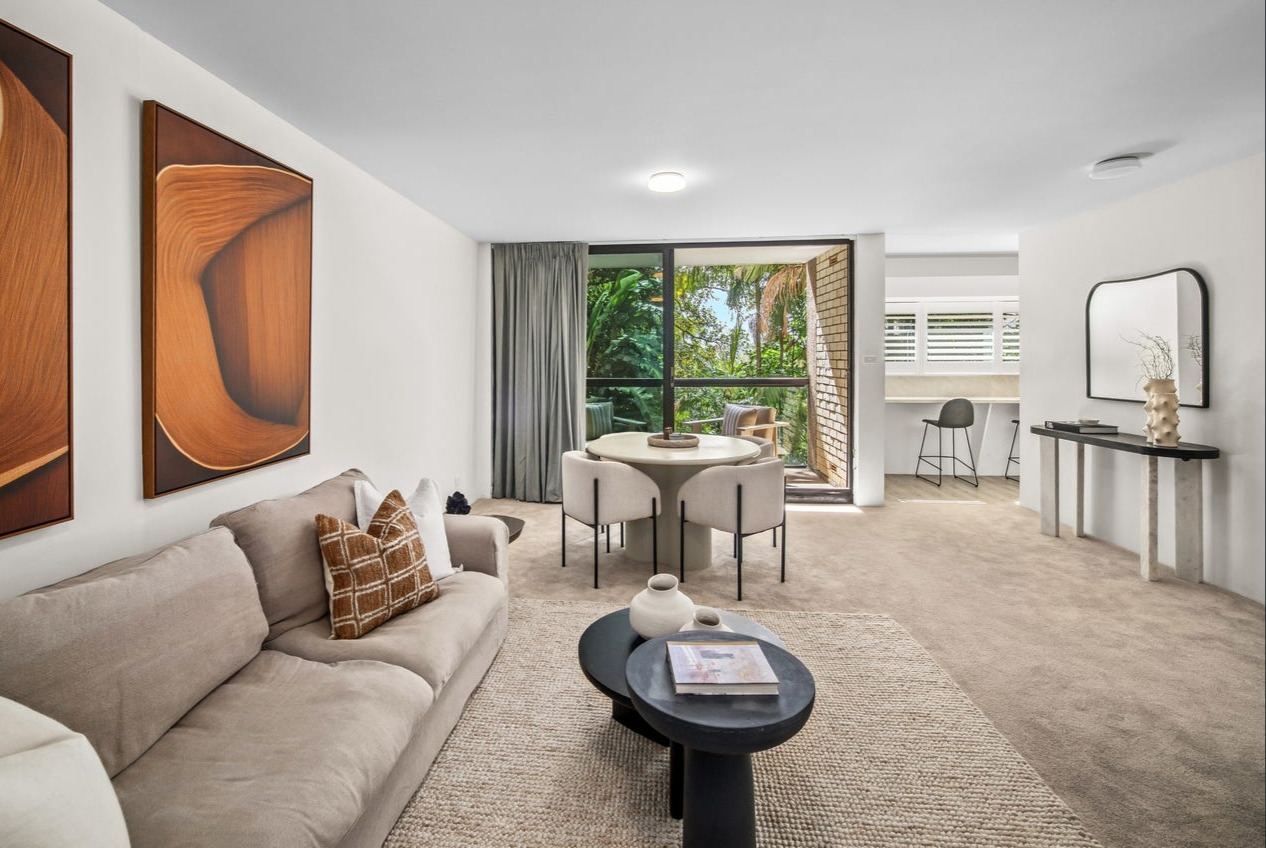
Older apartments were typically designed with larger living areas, better proportions and more natural light. Many newer developments maximise apartment numbers instead, leading to compromised layouts and smaller internal spaces.
Buyers notice this over time, particularly owner occupiers.
Why Density Matters
Higher density developments can create long term issues:
• Greater wear on common areas
• Higher ongoing maintenance costs
• Increased investor ownership
• More transient tenant populations
Lower density buildings tend to feel more stable and community driven, which supports owner occupier demand and resale appeal.
Construction Quality and Strata Stability
Not every new building has problems, but defect concerns have changed buyer behaviour significantly in recent years.
Many buyers are now prioritising:
• Proven building performance
• Stable strata history
• Simpler construction types
• Lower ongoing maintenance risk
Established brick buildings from the 1970s and 1980s continue to attract demand because buyers understand what they are getting.
What Performs Best Long Term
Apartments that consistently perform well usually share similar characteristics:
• Functional layouts
• Strong natural light
• Limited supply within the building
• High owner occupier appeal
These are the assets that tend to remain competitive across changing market conditions.
By Dan Grantham